
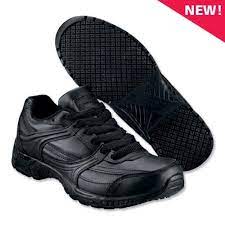
The Importance of Non-Slip Work Shoes
For individuals working in environments where slippery floors are a common occurrence, the right footwear can make a world of difference. Non-slip work shoes are specially designed to provide traction and stability, reducing the risk of slips, trips, and falls in the workplace.
Whether you work in a restaurant, hospital, warehouse, or any other setting where floors can get wet or greasy, investing in non-slip shoes is essential for your safety. These shoes typically feature slip-resistant outsoles that offer superior grip on various surfaces, helping you maintain your balance and avoid accidents.
Non-slip work shoes come in a variety of styles to suit different professions and preferences. From sneakers to boots to dress shoes, there are options available for every type of workplace attire. Some non-slip shoes also come with additional features such as water resistance, cushioned insoles, and reinforced toe caps for added protection.
When choosing non-slip work shoes, it’s important to consider factors such as comfort, durability, and compliance with safety regulations. Look for shoes that provide adequate support for long hours on your feet and are made from high-quality materials that can withstand the demands of your job.
By investing in a pair of non-slip work shoes, you not only protect yourself from potential injuries but also contribute to a safer work environment for everyone. Remember, prevention is always better than cure when it comes to workplace accidents.
Top 8 Benefits of Non-Slip Work Shoes for a Safer Workplace
- 1. Enhanced safety in slippery work environments
- 2. Reduced risk of slips, trips, and falls
- 3. Improved traction on wet or greasy surfaces
- 4. Comfortable for long hours of wear
- 5. Durable construction for lasting performance
- 6. Available in various styles to suit different preferences
- 7. Compliance with safety regulations in many industries
- 8. Contribution to a safer workplace for all employees
6 Drawbacks of Non-Slip Work Shoes: Weighing the Pros and Cons for Your Workday
- Non-slip work shoes can be heavier than regular work shoes, potentially causing fatigue during long shifts.
- Some non-slip shoes may have limited style options compared to traditional work footwear.
- Certain non-slip shoes may require a break-in period before they become comfortable to wear.
- Non-slip outsoles can wear out faster than regular shoe soles, leading to more frequent replacements.
- Depending on the brand and features, non-slip work shoes can be more expensive than standard work footwear.
- In some cases, the slip-resistant properties of non-slip shoes may diminish over time with heavy use.
1. Enhanced safety in slippery work environments
Non-slip work shoes offer enhanced safety in slippery work environments by providing superior traction and stability on wet, greasy, or uneven surfaces. These specialized shoes help reduce the risk of slips, trips, and falls, which are common hazards in various workplaces. By wearing non-slip work shoes, employees can feel more confident and secure while performing their duties, ultimately contributing to a safer and more productive work environment for all.
2. Reduced risk of slips, trips, and falls
Non-slip work shoes offer a significant advantage in reducing the risk of slips, trips, and falls in the workplace. By providing enhanced traction and stability on slippery surfaces, these shoes help prevent accidents that can lead to injuries and downtime. Employees wearing non-slip work shoes can move with confidence, knowing that their footwear is designed to keep them steady and secure, ultimately promoting a safer work environment for all.
3. Improved traction on wet or greasy surfaces
Non-slip work shoes offer a significant advantage with their improved traction on wet or greasy surfaces. This feature is crucial for individuals working in environments where spills or slippery floors are common occurrences. By providing enhanced grip and stability, non-slip work shoes help reduce the risk of accidents such as slips, trips, and falls, ultimately promoting a safer and more secure workplace for employees. The reliable traction of these shoes allows workers to move confidently and comfortably on challenging surfaces, ensuring better overall safety and productivity on the job.
4. Comfortable for long hours of wear
Non-slip work shoes offer the significant advantage of being comfortable for long hours of wear. With features such as cushioned insoles, arch support, and breathable materials, these shoes are designed to provide optimal comfort and support throughout extended shifts. This ensures that individuals can focus on their tasks without experiencing discomfort or fatigue, ultimately enhancing productivity and well-being in the workplace.
5. Durable construction for lasting performance
Non-slip work shoes offer a durable construction that ensures lasting performance in demanding work environments. The sturdy materials and reinforced design of these shoes make them resilient to wear and tear, allowing them to withstand the rigors of daily use. With their durable construction, non-slip work shoes provide long-term reliability, making them a practical and cost-effective choice for individuals seeking footwear that can keep up with their active workday.
6. Available in various styles to suit different preferences
Non-slip work shoes offer the benefit of being available in various styles to suit different preferences. Whether you prefer sneakers, boots, or dress shoes, there is a wide range of options to choose from when it comes to non-slip footwear. This versatility ensures that individuals can prioritize both safety and personal style in the workplace, allowing them to feel comfortable and confident while maintaining traction on slippery surfaces.
7. Compliance with safety regulations in many industries
Non-slip work shoes offer the significant advantage of ensuring compliance with safety regulations in many industries. By wearing non-slip footwear, employees can meet the required safety standards set by regulatory bodies in various workplaces. These shoes help reduce the risk of accidents caused by slippery floors, ultimately promoting a safer working environment for employees and aligning with industry-specific safety guidelines. Investing in non-slip work shoes not only enhances personal safety but also demonstrates a commitment to upholding workplace safety regulations and standards.
8. Contribution to a safer workplace for all employees
Non-slip work shoes make a significant contribution to creating a safer workplace for all employees. By providing superior traction and stability on slippery surfaces, these shoes help reduce the risk of slips, trips, and falls for everyone in the workplace. When employees feel confident in their footwear’s ability to keep them safe, they can focus on their tasks without worrying about potential accidents. Ultimately, investing in non-slip work shoes benefits not only individuals but also fosters a culture of safety and well-being that benefits the entire workforce.
Non-slip work shoes can be heavier than regular work shoes, potentially causing fatigue during long shifts.
Non-slip work shoes, while providing essential traction and safety benefits, can have a downside in terms of weight. Compared to regular work shoes, non-slip variants often come with additional features and materials that make them heavier. This added weight can contribute to fatigue, especially during long shifts where employees are on their feet for extended periods. The extra strain from wearing heavier shoes may lead to discomfort and tiredness, affecting overall productivity and comfort levels in the workplace. It’s important for individuals considering non-slip work shoes to strike a balance between safety features and comfort to ensure optimal performance throughout their workday.
Some non-slip shoes may have limited style options compared to traditional work footwear.
While non-slip work shoes offer essential safety features for various work environments, one potential drawback is that some options may have limited style choices compared to traditional work footwear. This limitation in style variety could pose a challenge for individuals who value both safety and fashion in their work attire. However, with advancements in design and technology, manufacturers are increasingly offering non-slip shoes in more stylish options to cater to a wider range of preferences without compromising on safety standards.
Certain non-slip shoes may require a break-in period before they become comfortable to wear.
Some individuals may find that certain non-slip work shoes require a break-in period before they become comfortable to wear. During this initial period, the shoes may feel stiff or tight, causing discomfort or blisters. This can be a downside for those who need immediate comfort and support in their footwear, especially in fast-paced work environments where long hours on their feet are common. It’s important to consider this factor when selecting non-slip work shoes and allow for enough time to break them in before expecting optimal comfort and performance.
Non-slip outsoles can wear out faster than regular shoe soles, leading to more frequent replacements.
Non-slip work shoes, while essential for safety in certain work environments, have a downside that can impact their longevity and cost-effectiveness. One common con is that the non-slip outsoles on these shoes can wear out faster than those on regular shoe soles. This accelerated wear and tear may result in the need for more frequent replacements, adding to the overall expenses associated with maintaining proper footwear for workplace safety. It’s important for individuals relying on non-slip work shoes to be aware of this potential issue and factor it into their budget and purchasing decisions.
Depending on the brand and features, non-slip work shoes can be more expensive than standard work footwear.
When considering non-slip work shoes as a footwear option, one con to keep in mind is the potential for higher costs compared to standard work footwear. Depending on the brand and features offered, non-slip work shoes can come with a premium price tag that may be a deterrent for some individuals. While the added safety benefits of slip-resistant outsoles are invaluable, the upfront investment required for these specialized shoes may pose a financial challenge for those on a tight budget. It’s important to weigh the cost against the safety benefits to determine if the higher price of non-slip work shoes is justified for your specific needs and workplace conditions.
In some cases, the slip-resistant properties of non-slip shoes may diminish over time with heavy use.
In some instances, a drawback of non-slip work shoes is that their slip-resistant qualities can deteriorate over time, especially with prolonged and intensive use. Continuous exposure to harsh conditions, such as oil, water, or abrasive surfaces, can wear down the slip-resistant outsoles of these shoes, compromising their effectiveness in preventing slips and falls. Regular maintenance and timely replacement of non-slip work shoes may be necessary to ensure optimal safety in the workplace.