
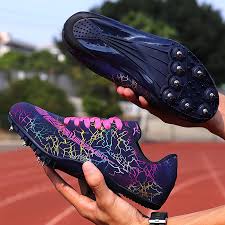
The Ultimate Guide to Track Shoes
When it comes to track and field events, having the right pair of shoes can make all the difference in your performance. Track shoes are specially designed to provide athletes with the support, traction, and lightweight feel needed to excel on the track. Whether you’re a sprinter, long-distance runner, or jumper, choosing the right track shoes is essential for maximizing your potential.
Types of Track Shoes
There are several types of track shoes designed for different events:
- Spike Shoes: These shoes have metal spikes on the sole that provide excellent traction on the track. Sprinters and middle-distance runners often use spike shoes for maximum grip.
- Middle-Distance Shoes: These shoes offer a balance between cushioning and lightweight design, making them ideal for races ranging from 800 meters to 5K.
- Distance Shoes: Designed for long-distance runners, these shoes prioritize cushioning and support to help athletes maintain comfort over extended periods.
- Jumping Shoes: Jumping events like long jump and triple jump require specialized shoes with extra cushioning in the heel and forefoot for take-off and landing.
Key Features to Look For
When choosing track shoes, consider the following key features:
- Spike Type: Different spike lengths are suitable for different track surfaces. Shorter spikes are ideal for harder tracks, while longer spikes provide better grip on softer surfaces.
- Cushioning: Look for adequate cushioning in the midsole to absorb impact forces during running or jumping activities.
- Breathability: Opt for shoes with breathable materials to keep your feet cool and dry during intense workouts or competitions.
- Ankle Support: Depending on your event type, consider whether you need additional ankle support in your track shoes.
Caring for Your Track Shoes
To ensure longevity and optimal performance from your track shoes, follow these care tips:
- Clean Regularly: Wipe off dirt and debris after each use to prevent buildup that can affect traction.
- Air Dry: Allow your shoes to air dry naturally after workouts or competitions to prevent odor and bacterial growth.
- Store Properly: Keep your track shoes in a well-ventilated area away from direct sunlight or heat sources when not in use.
- Rotate Pairs: Consider rotating between multiple pairs of track shoes to extend their lifespan and prevent excessive wear on a single pair.
In conclusion, investing in high-quality track shoes tailored to your specific event type can significantly enhance your performance on the track. By understanding the different types of track shoes available, key features to look for, and proper care practices, you can optimize your athletic potential and strive towards achieving new personal bests in every competition.
Top Questions About Track Shoes: Performance, Types, and Recommendations
- Do track shoes make you faster?
- Which type of shoes are best for tracking?
- What are the top 3 running shoes?
- What do track shoes do?
- Can I use regular running shoes on a track?
- What kind of shoes to wear for track?
Do track shoes make you faster?
Track shoes are specifically designed to enhance performance and provide athletes with the necessary support and traction to excel in various track and field events. While track shoes alone cannot guarantee faster speeds, they play a crucial role in improving an athlete’s overall performance. The lightweight design, spike configuration, cushioning, and traction of track shoes can help runners maintain proper form, reduce drag, and maximize their efficiency on the track. Ultimately, when paired with proper training and technique, wearing the right track shoes can contribute to improved speed and performance for athletes striving to reach their full potential on the track.
Which type of shoes are best for tracking?
When it comes to choosing the best shoes for track and field events, the answer depends on the specific event you’ll be participating in. Sprinters often opt for spike shoes with metal spikes for maximum traction on the track, while long-distance runners may prefer shoes with cushioning and support for endurance. Jumpers, on the other hand, require specialized shoes with extra cushioning in the heel and forefoot to aid in take-off and landing. Ultimately, the best type of shoe for tracking is one that aligns with your event type, provides the necessary support and traction, and offers comfort to help you perform at your best.
What are the top 3 running shoes?
When it comes to the top running shoes, there are several popular choices that consistently receive high praise from athletes and runners worldwide. Some of the top contenders often include brands like Nike, Adidas, and Brooks. The Nike ZoomX Vaporfly NEXT%, known for its innovative design and exceptional energy return, is a favorite among elite runners. Adidas Ultraboost, renowned for its comfort and responsive cushioning, is another top pick for both casual runners and professionals. Lastly, Brooks Ghost series stands out for its reliable performance, durability, and versatility across various running distances. These top 3 running shoes have earned their reputation for delivering superior quality and performance to runners of all levels.
What do track shoes do?
Track shoes are specialized athletic footwear designed to enhance performance and provide support for athletes participating in track and field events. These shoes serve several key functions, including improving traction on the track surface, reducing the risk of slipping or sliding during sprints or jumps, and offering cushioning to absorb impact forces while running. By incorporating features such as spike configurations, lightweight materials, and breathable designs, track shoes help athletes achieve optimal speed, stability, and comfort during competitions. Whether sprinting, jumping, or running long distances, track shoes play a crucial role in maximizing an athlete’s potential and enhancing their overall performance on the track.
Can I use regular running shoes on a track?
Using regular running shoes on a track is not recommended for optimal performance and safety. While regular running shoes are designed for versatility and cushioning on various surfaces, they lack the specific features necessary for track events. Track shoes are specially crafted to provide athletes with the traction, support, and lightweight feel needed to excel on the track. The spikes or specialized outsoles of track shoes offer superior grip on the track surface, enhancing speed and stability during sprints, jumps, or distance runs. Therefore, investing in a pair of track shoes tailored to your event type can significantly improve your performance and reduce the risk of injuries associated with using improper footwear on the track.
What kind of shoes to wear for track?
When considering what kind of shoes to wear for track, it is essential to choose specialized track shoes that cater to your specific event and running style. Sprinters typically opt for spike shoes with metal spikes on the sole for maximum traction and speed. Middle-distance runners may prefer a balance of cushioning and lightweight design in their shoes. Long-distance runners benefit from shoes with ample cushioning for comfort over extended periods. Jumpers require shoes with extra cushioning in the heel and forefoot to support take-off and landing. Ultimately, selecting the right track shoes tailored to your event type can significantly impact your performance on the track.