
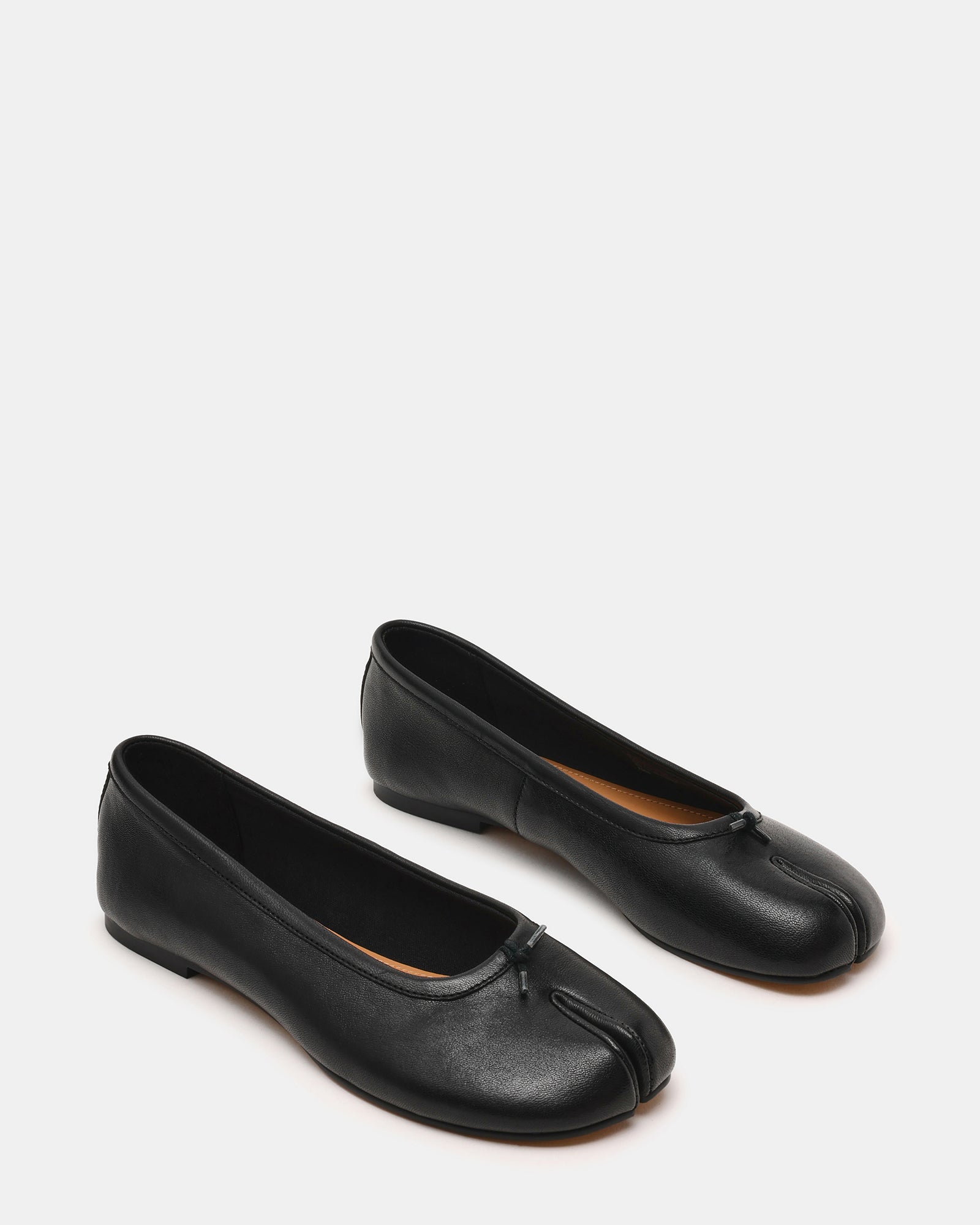
The Tradition and Modern Appeal of Tabi Shoes
Tabi shoes, a traditional Japanese footwear style with a unique split-toe design, have been captivating fashion enthusiasts around the world for their distinctive look and cultural significance. While tabi shoes have deep roots in Japanese history, they have also evolved to become a symbol of modern style and comfort.
Historical Roots
Tabi shoes date back to the 15th century in Japan and were originally worn by the samurai class. The split-toe design allowed for better stability and flexibility when wearing traditional Japanese clothing such as kimono. Over time, tabi shoes became popular among the general population and were worn by both men and women.
Design and Construction
The most striking feature of tabi shoes is the division between the big toe and the other toes, mimicking the natural separation of toes. Traditional tabi shoes are made from cloth or leather with a rubber sole, providing comfort and breathability. Modern versions of tabi shoes may incorporate innovative materials and designs while staying true to the original concept.
Modern Appeal
In recent years, tabi shoes have gained popularity in global fashion circles for their unique aesthetic appeal. Designers have reimagined tabi shoes in various styles, from sleek leather versions to avant-garde interpretations on fashion runways. Celebrities and influencers have also embraced tabi shoes as a statement piece that adds an edgy touch to any outfit.
Versatility and Comfort
One of the key advantages of tabi shoes is their versatility. They can be paired with traditional Japanese attire for a cultural touch or integrated into contemporary streetwear looks for a bold statement. The split-toe design allows for natural movement of the toes, promoting better posture and comfort throughout the day.
Celebrate Tradition with Tabi Shoes
Whether you are drawn to their historical significance or modern appeal, tabi shoes offer a unique blend of tradition and innovation in footwear. Embrace this iconic style statement that bridges past and present, honoring Japanese craftsmanship while making a fashion-forward statement wherever you go.
Step into the world of tabi shoes and experience the harmony of tradition and modernity with each confident stride.
Understanding Tabi Shoes: 7 Common Questions Answered
- Why do Japanese wear tabis?
- What is the point of tabi shoes?
- Do Japanese still wear tabi?
- Are tabis healthy for feet?
- Why are tabi shoes split?
- Why are tabi shoes so expensive?
- Are Tabis good for your feet?
Why do Japanese wear tabis?
Japanese wear tabi shoes for both practical and cultural reasons. Historically, tabi shoes provided better stability and flexibility, especially when wearing traditional Japanese clothing like kimono. The split-toe design allowed for more natural movement, making them ideal for various activities. Additionally, tabi shoes are deeply rooted in Japanese culture and tradition, symbolizing a connection to the country’s rich heritage. Today, wearing tabi shoes is a way to honor tradition while also embracing modern fashion trends, making them a versatile footwear choice that blends functionality with style in a unique way.
What is the point of tabi shoes?
Tabi shoes serve a dual purpose of functionality and cultural significance. The distinctive split-toe design of tabi shoes allows for better stability and flexibility, making them ideal for wearing traditional Japanese attire like kimono. This unique construction also promotes natural movement of the toes, contributing to improved posture and comfort. Beyond their practical benefits, tabi shoes hold a symbolic value in Japanese culture, representing a connection to tradition and craftsmanship that has endured for centuries. Whether worn for practical reasons or as a fashion statement, tabi shoes embody a harmonious blend of functionality and cultural heritage.
Do Japanese still wear tabi?
Yes, tabi shoes continue to hold a significant place in Japanese culture and fashion. While their usage may have evolved over time, tabi shoes are still commonly worn in Japan for traditional occasions, such as tea ceremonies, festivals, and other cultural events. Additionally, modern interpretations of tabi shoes have made their way into everyday wear, with many Japanese people incorporating them into contemporary fashion styles. The enduring popularity of tabi shoes reflects their timeless appeal and the pride that Japanese people take in preserving their cultural heritage through fashion choices.
Are tabis healthy for feet?
Tabi shoes are often considered healthy for feet due to their unique split-toe design that allows for natural toe splay and movement. This feature promotes better alignment and balance, potentially reducing the risk of foot issues such as bunions or toe deformities. Additionally, tabi shoes are known for their lightweight and flexible construction, providing a more barefoot-like experience that can strengthen foot muscles and improve overall foot health. However, individual comfort and fit may vary, so it is important to choose tabi shoes that properly support your feet and provide adequate cushioning for long-term wear.
Why are tabi shoes split?
Tabi shoes are split to allow for greater flexibility and natural movement of the toes. The unique split-toe design mimics the natural separation of toes, promoting better balance and stability when wearing traditional Japanese clothing such as kimono. This construction not only enhances comfort but also aligns with the principles of Japanese craftsmanship that prioritize functionality and practicality. The split in tabi shoes is a deliberate feature that serves both aesthetic and functional purposes, making them a distinctive and culturally significant footwear choice.
Why are tabi shoes so expensive?
Tabi shoes are often perceived as expensive due to several factors that contribute to their pricing. The craftsmanship involved in creating tabi shoes, especially those made with high-quality materials and intricate designs, requires skilled artisans and meticulous attention to detail. Additionally, the cultural significance and historical roots of tabi shoes add to their value, making them more than just a footwear choice but a symbol of tradition and artistry. The unique split-toe design and specialized construction techniques also play a role in the cost of tabi shoes, ensuring both comfort and durability. While the price tag may seem steep, investing in a pair of tabi shoes is not just acquiring footwear but owning a piece of cultural heritage and timeless craftsmanship.
Are Tabis good for your feet?
Tabi shoes are known for their unique split-toe design, which can offer certain benefits for foot health. The separation of the big toe from the other toes in tabi shoes allows for a more natural alignment of the toes, potentially reducing pressure and promoting better balance and posture. Additionally, the flexibility of tabi shoes can encourage greater mobility and strengthen the muscles in the feet. While individual experiences may vary, many wearers find that tabi shoes provide a comfortable and supportive option for their feet, especially when seeking a footwear choice that prioritizes both style and foot health.