
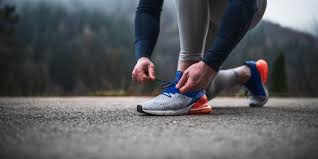
The Best Running Shoes for Every Runner
Choosing the right pair of running shoes is crucial for any runner, whether you’re a seasoned marathoner or just starting out on your fitness journey. With so many options available in the market, finding the perfect pair can be overwhelming. To help you make an informed decision, we’ve compiled a list of some of the best running shoes that cater to different needs and preferences.
Nike Air Zoom Pegasus 37
The Nike Air Zoom Pegasus 37 is a versatile and reliable option for runners of all levels. Known for its responsive cushioning and lightweight design, this shoe provides excellent support and comfort during long runs.
Brooks Ghost 13
The Brooks Ghost 13 is a popular choice among runners looking for a well-cushioned and durable shoe. With its smooth ride and comfortable fit, this shoe is ideal for daily training runs and races alike.
Hoka One One Bondi 7
If you’re in need of maximum cushioning and support, the Hoka One One Bondi 7 is worth considering. This shoe offers superior shock absorption and stability, making it a great option for runners with joint issues or those seeking extra protection on long runs.
Adidas Ultraboost 21
The Adidas Ultraboost 21 combines style with performance, featuring a sleek design and responsive cushioning. Whether you’re hitting the pavement or the treadmill, this shoe delivers energy return and comfort with every stride.
New Balance Fresh Foam 1080v11
For runners looking for a plush yet supportive ride, the New Balance Fresh Foam 1080v11 is an excellent choice. With its soft cushioning and secure fit, this shoe provides a smooth and stable experience on various terrains.
Remember that finding the best running shoes depends on your individual needs, running style, foot shape, and preferences. It’s essential to try on different options to see which one feels most comfortable and supportive for your runs. Invest in a high-quality pair of running shoes to enhance your performance, prevent injuries, and enjoy every mile you conquer!
9 Essential Tips for Choosing the Best Running Shoes
- Choose running shoes that fit your foot size and shape properly.
- Consider the level of cushioning you need based on your running style and preferences.
- Look for running shoes with good arch support if you have high arches or flat feet.
- Select shoes with breathable materials to keep your feet cool and dry during runs.
- Make sure the running shoes provide adequate stability to prevent injuries.
- Replace your running shoes every 300-500 miles to maintain optimal support and cushioning.
- Try on running shoes later in the day when your feet are slightly swollen for a better fit.
- Consider getting gait analysis done to determine the right type of running shoe for your stride.
- Rotate between multiple pairs of running shoes to extend their lifespan and prevent wear and tear.
Choose running shoes that fit your foot size and shape properly.
Selecting running shoes that fit your foot size and shape properly is essential for a comfortable and injury-free running experience. Ill-fitting shoes can lead to discomfort, blisters, and even long-term foot issues. By choosing running shoes that match your foot dimensions accurately, you ensure proper support, stability, and cushioning with every stride. Take the time to try on different styles and brands to find the perfect fit that caters to your individual needs and enhances your overall running performance. Prioritizing the right shoe fit is a simple yet crucial step towards enjoying a smooth and rewarding running journey.
Consider the level of cushioning you need based on your running style and preferences.
When selecting the best running shoes for your needs, it’s essential to consider the level of cushioning that aligns with your running style and preferences. The amount of cushioning in a shoe can greatly impact your comfort and performance during runs. Runners who prefer a softer feel and extra shock absorption may opt for shoes with more cushioning, while those who prefer a firmer, more responsive ride may lean towards less cushioned options. By understanding your running style and preferences, you can choose running shoes that provide the right balance of support and comfort to help you achieve your fitness goals effectively.
Look for running shoes with good arch support if you have high arches or flat feet.
When searching for the best running shoes, it’s crucial to consider your foot arch type. If you have high arches or flat feet, opt for running shoes with excellent arch support. Proper arch support helps distribute weight evenly, reduces strain on your feet and legs, and promotes a more natural foot alignment while running. By choosing running shoes that cater to your specific arch type, you can enhance comfort, prevent injuries, and optimize your performance during every run.
Select shoes with breathable materials to keep your feet cool and dry during runs.
When choosing the best running shoes, opt for pairs made with breathable materials to ensure your feet stay cool and dry throughout your runs. Proper ventilation is key to preventing discomfort and blisters caused by sweat buildup. Breathable shoes help regulate temperature and moisture, enhancing overall comfort and performance during your training sessions or races. Keep your feet happy and healthy by prioritizing airflow in your footwear selection.
Make sure the running shoes provide adequate stability to prevent injuries.
When selecting the best running shoes, it is crucial to ensure that they offer sufficient stability to help prevent injuries. Proper stability in running shoes can help maintain your balance, support your foot’s natural movement, and reduce the risk of overpronation or supination. By choosing running shoes with adequate stability features, such as supportive midsoles and secure heel counters, you can protect your feet and lower limbs during each stride, allowing you to run comfortably and safely for miles on end.
Replace your running shoes every 300-500 miles to maintain optimal support and cushioning.
To ensure you have the best running experience and prevent potential injuries, it is recommended to replace your running shoes every 300-500 miles. Over time, the cushioning and support in your shoes wear down, impacting their ability to protect your feet and joints. By regularly replacing your running shoes, you can maintain optimal support and cushioning, allowing you to perform at your best while minimizing the risk of discomfort or injury.
Try on running shoes later in the day when your feet are slightly swollen for a better fit.
When shopping for the best running shoes, consider trying them on later in the day when your feet are slightly swollen. This tip can help you achieve a better fit as your feet tend to expand throughout the day, especially after physical activity. By trying on shoes during this time, you can ensure that your running shoes accommodate any potential swelling and provide a comfortable fit during your runs. Remember, a proper fit is essential for optimal performance and injury prevention when it comes to choosing the right pair of running shoes.
Consider getting gait analysis done to determine the right type of running shoe for your stride.
Consider getting gait analysis done to determine the right type of running shoe for your stride. Gait analysis involves assessing how you walk or run to identify any biomechanical issues that may affect your performance or lead to injuries. By understanding your unique gait pattern, experts can recommend the most suitable running shoes that provide the necessary support and stability for your feet. Investing in a pair of shoes tailored to your specific needs can significantly improve your comfort, efficiency, and overall running experience.
Rotate between multiple pairs of running shoes to extend their lifespan and prevent wear and tear.
To extend the lifespan of your running shoes and minimize wear and tear, consider rotating between multiple pairs of shoes. By alternating between different pairs, you give each shoe time to decompress and regain its cushioning properties between runs. This practice not only helps maintain the structural integrity of your shoes but also reduces the risk of injuries caused by overuse. Additionally, rotating between different types of running shoes can provide varying levels of support and cushioning, catering to the specific needs of your feet on different terrains or training sessions.