
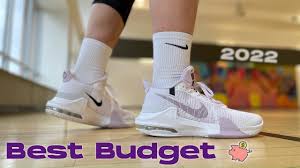
Cheap Basketball Shoes: How to Find a Great Pair for Less
Basketball shoes don’t have to come with a premium price tag. Whether you play in a weekend league, shoot hoops at the park, or need an affordable pair for practice, you can find shoes that offer useful support and traction without overspending. The key is knowing what features matter, where to look, and how to make sure a lower price doesn’t mean a poor fit.
What to Look for in Affordable Basketball Shoes
Basketball involves quick stops, jumps, and changes of direction, so choose shoes designed for court sports rather than relying on appearance alone. Keep these features in mind:
- Secure fit: Your heel should feel held in place, and your foot shouldn’t slide around when you move. Leave a little room in front of your toes.
- Traction: A well-designed rubber outsole can help you grip the court. If possible, check reviews for comments about traction on the type of surface where you play.
- Cushioning: Cushioning can make practices and games more comfortable. The right amount depends on your preference, body, and playing style.
- Support: Look for a stable base and a fit that feels secure during lateral movement. A high-top collar alone does not guarantee ankle protection.
- Durability: Reinforced areas and sturdy materials may hold up better to frequent play, especially if you play outdoors.
Where to Find Cheap Basketball Shoes
Start with sale sections at sporting goods stores and brand retailers. Previous-season models are often discounted when newer designs arrive, even though they may still work well for everyday play. Outlet stores, clearance events, and reputable online retailers can also offer lower prices.
Comparison shopping helps you spot genuine savings. Check the shoe’s regular price at more than one retailer, and include shipping costs and return policies in your decision. If you’re shopping online, look for clear product photos, detailed sizing information, and customer reviews that mention fit and performance.
Are Used Basketball Shoes Worth Buying?
Used shoes can be an inexpensive option for casual wear, but inspect them carefully before playing in them. Check the outsole for worn-down tread, look for separation between the sole and upper, and make sure the cushioning hasn’t collapsed. A shoe that looks clean may still be too worn to provide a comfortable, secure feel.
For frequent play, a discounted new pair may be a better value than a heavily used pair. If you do buy secondhand, choose a seller who provides clear photos and accepts returns when possible.
Make Sure the Fit Is Right
A low price isn’t a good deal if the shoes hurt or feel unstable. Try them on later in the day, when your feet may be slightly larger, and wear the socks you normally use for basketball. Walk, jog, and make a few side-to-side movements to check for rubbing, slipping, or pressure points.
Sizing can vary between brands and models, so don’t assume your usual size will fit every pair. When ordering online, review the retailer’s return policy before buying. Avoid choosing a size that feels uncomfortably tight in the hope that the shoes will stretch significantly.
Indoor and Outdoor Play
Think about where you’ll use the shoes most often. Outdoor courts can wear down softer rubber outsoles more quickly, so players who spend a lot of time outside may want a durable outsole with a pattern suited to hard surfaces. Indoor players should look for traction that performs well on a clean court and keep the soles free of dust.
If you play both indoors and outdoors, one pair may not be ideal for every surface. Consider how often you play and how quickly your shoes wear down before deciding whether separate pairs make sense.
How to Get More Value From Your Shoes
- Use your basketball shoes primarily for playing to reduce everyday wear.
- Keep the outsole clean so dirt and dust don’t interfere with traction.
- Let the shoes air out after playing instead of storing them damp in a closed bag.
- Replace them when the tread is badly worn, the cushioning feels flat, or the shoe no longer feels secure.
Final Thoughts
Finding cheap basketball shoes is about balancing price, fit, and performance. Look for discounted previous-season models, compare prices from reputable sellers, and pay close attention to comfort, traction, and durability. The right pair doesn’t need to be the most expensive one—it needs to feel secure and suit the way and place you play.
8 Tips for Scoring Affordable Basketball Shoes Without Sacrificing Quality
- Shop end-of-season sales.
- Compare prices across retailers.
- Check outlet stores for deals.
- Look for last year’s models.
- Prioritize fit and support over brand.
- Read reviews for durability.
- Try shoes on before buying when possible.
- Check return policies before ordering.
Shop end-of-season sales.
Shop end-of-season sales to find basketball shoes at lower prices as retailers make room for new models. You can often save on last season’s colors and designs, which may offer the same practical features as newer releases. Compare prices across reputable stores, check the return policy, and make sure the shoes fit comfortably before buying.
Compare prices across retailers.
Compare prices across retailers before buying cheap basketball shoes. The same model may be discounted at different stores, and checking a few listings can help you find a better deal. Compare the final cost, including shipping and taxes, and review each retailer’s return policy so you can exchange the shoes if the fit isn’t right. Look for reputable sellers and confirm that the listing is for the exact model and size you want.
Check outlet stores for deals.
Check outlet stores for deals on basketball shoes, especially during seasonal sales or when newer models arrive. Outlets often carry previous-season styles at lower prices, and many still offer the support, traction, and cushioning recreational players need. Compare prices, inspect the shoes for defects, and check the return policy before buying to make sure you’re getting a comfortable pair that’s truly a good value.
Look for last year’s models.
Look for last year’s models when shopping for cheap basketball shoes. Retailers often discount previous-season designs to make room for new releases, so you may find a quality pair for much less without giving up the features you need for playing. Compare prices and read reviews, and make sure the shoes fit comfortably—newer doesn’t always mean better.
Prioritize fit and support over brand.
When shopping for cheap basketball shoes, prioritize fit and support over the brand name. A shoe that feels secure, holds your heel in place, and lets your toes move comfortably can serve you better than a popular model that doesn’t fit well. Try shoes on with your usual basketball socks, and test a few quick side-to-side movements to check for slipping or discomfort. A comfortable, supportive fit is a better value—and a better choice for playing—than a logo alone.
Read reviews for durability.
Before buying cheap basketball shoes, read customer reviews for comments about durability. Look for feedback from players who use them as often and on the same type of court as you do, and note whether the outsole, cushioning, or upper wears out quickly. A lower-priced pair can be a good value if it holds up to regular play, while shoes that need frequent replacement may cost more in the long run.
Try shoes on before buying when possible.
Try basketball shoes on before buying whenever possible, since fit and comfort can vary by brand and style. Wear the socks you typically play in, make sure your toes have room, and check that your heel feels secure without slipping. Walk, jump, and move side to side to see whether the shoes feel comfortable and stable. A good fit matters more than a bargain price.
Check return policies before ordering.
Before ordering cheap basketball shoes, check the retailer’s return and exchange policies. Sizing and fit can vary by brand, and a pair that looks like a bargain may feel uncomfortable once you try it on. Make sure you know how long you have to return the shoes, whether they must be unworn, and who pays return shipping. A flexible policy can help you shop confidently and avoid getting stuck with a pair that doesn’t fit.