
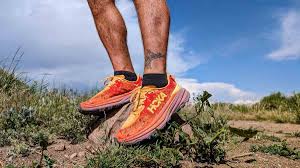
HOKA Trail Running Shoes: Comfort and Confidence on the Trail
Trail running can take you from smooth park paths to rocky climbs, muddy switchbacks, and steep descents—sometimes all in the same run. HOKA trail running shoes are designed for off-road use, with features intended to help runners find cushioning, traction, and support across varied terrain. The right pair depends on where you run, how you like your shoes to feel, and what kind of fit works for your feet.
What Makes a Trail Running Shoe Different?
Compared with road-running shoes, trail shoes are built with uneven surfaces in mind. They often have patterned outsoles for grip, uppers designed to help manage trail debris, and construction intended to provide a more secure feel on changing terrain. Some models emphasize cushioning for long days on the trail, while others prioritize a lighter, more connected feel underfoot.
HOKA is known for generously cushioned designs, and its trail lineup includes options for different distances and conditions. Cushioning can make rocky or rugged routes feel more comfortable, but a shoe’s fit, traction, and stability matter just as much. A highly cushioned shoe is not automatically the best choice for every runner or every trail.
Choosing the Right HOKA Trail Shoe
Consider the Terrain
Start with the trails you run most often. Smooth dirt paths and well-maintained trails may not require the same outsole grip as steep, rocky, or muddy routes. For technical terrain, look for an outsole and overall design that feel secure on uneven ground. If your routes include a mix of surfaces, consider a versatile model that balances grip and comfort.
Think About Distance and Cushioning
For longer runs, some runners prefer substantial cushioning to help maintain comfort over many miles. Others like a firmer, lower-to-the-ground sensation that makes it easier to feel the trail. Your preferred feel is personal, so try shoes on when possible and pay attention to how they feel while walking, jogging, and moving side to side.
Check the Fit
A good trail shoe should feel secure through the midfoot and heel without pinching. Make sure there is enough room in the toe box, especially if your feet tend to swell during long runs or move forward on descents. Try shoes on with the socks you plan to wear, and test the lacing to see whether it helps keep your foot comfortably in place.
Match the Shoe to the Conditions
Trail conditions vary with weather and season. A breathable upper may feel comfortable in warm, dry conditions, while a water-resistant or waterproof version can be useful in colder, wetter environments. Keep in mind that waterproofing can affect breathability and does not guarantee dry feet in every situation, particularly if water enters from the ankle opening.
Benefits to Look For
- Cushioning: Helps shape the ride and may improve comfort on longer or rougher outings.
- Outsole traction: The tread pattern and rubber can influence grip on dirt, rock, and other surfaces.
- Secure fit: A stable heel and well-fitting midfoot can help limit unwanted movement on uneven ground.
- Protective details: Some trail shoes include features intended to help shield the foot from trail debris.
- Upper materials: Breathability, durability, and water resistance vary by model.
How to Get the Most from Your Shoes
Break in a new pair gradually before using it for a long run or race. Start with a short, familiar route and notice whether you experience rubbing, pressure, or slipping. After each run, remove loose dirt and let the shoes air-dry away from direct heat. Cleaning them regularly and allowing them to dry fully can help keep them comfortable.
There is no universal mileage limit for replacing trail shoes. Wear depends on factors such as your running style, body weight, terrain, and how often you use the shoes. Check the outsole for worn tread and the midsole for changes in feel. If the shoes no longer feel secure or comfortable, it may be time to consider a replacement.
Are HOKA Trail Running Shoes Right for You?
HOKA trail running shoes may appeal to runners looking for a cushioned ride and options designed for off-road routes. The best model is the one that matches your terrain, distance, preferred level of cushioning, and foot shape. When comparing shoes, focus less on choosing the most popular option and more on finding a fit that feels secure and comfortable on the trails you actually run.
Whenever possible, try on several models and test them on terrain similar to your usual routes. A well-chosen pair can make trail outings more enjoyable—and help you feel prepared for the changing surfaces and challenges ahead.
Top HOKA Trail Running Shoes: Best Picks, Comparisons with Brooks, and Quality Insights
- What are the top 5 best trail running shoes?
- Which HOKA shoe is best for trail running?
- How do HOKAs compare to Brooks?
- Are HOKA trail running shoes any good?
What are the top 5 best trail running shoes?
The five best HOKA trail running shoes depend on your terrain and running style, but popular options include the Speedgoat for technical trails and dependable grip, the Mafate for long-distance comfort, the Tecton X for a responsive, race-oriented ride, the Challenger for a versatile road-to-trail feel, and the Torrent for a lighter, more nimble experience. Fit, cushioning, and traction vary by model and version, so try them on if possible and choose based on the trails you run most often.
Which HOKA shoe is best for trail running?
The best HOKA shoe for trail running depends on your terrain, distance, and preferred feel. For rugged or technical routes, look for a model with dependable traction and a secure fit; for longer runs, you may prefer more cushioning, while smoother trails can suit a lighter, more versatile shoe. HOKA’s trail lineup changes over time, so compare current models and choose the pair that feels comfortable and stable on the trails you run most often.
How do HOKAs compare to Brooks?
HOKA and Brooks both make popular running shoes, but they tend to feel different underfoot. HOKA is often associated with a higher-stack, cushioned ride, while Brooks offers a range of feels, from plush cushioning to more traditional, balanced designs. Both brands have road and trail options, so compare specific models rather than relying on the brand name alone. For trail running, consider the terrain, outsole grip, fit, stability, and cushioning you prefer—and try them on if possible, since comfort is personal.
Are HOKA trail running shoes any good?
HOKA trail running shoes can be a good choice for runners who want generous cushioning and a comfortable ride on off-road routes. Many models also offer trail-focused outsoles for grip and uppers designed for rugged conditions, though features vary by shoe. The best option depends on your terrain, preferred feel, and fit, so consider trying a pair on and testing it on the trails you run most often.