
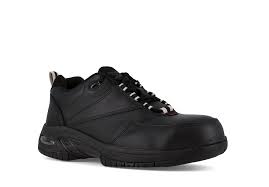
Black Work Shoes: How to Choose the Right Pair
Black work shoes are a practical choice for many jobs. Their versatile color pairs easily with uniforms and professional clothing, while the right design can help keep your feet comfortable through long shifts. From office floors to kitchens, warehouses, and job sites, the best pair depends on your work environment, dress code, and safety requirements.
Why Choose Black Work Shoes?
Black shoes are easy to coordinate with most work outfits and tend to look neat with regular care. They’re available in styles ranging from polished dress shoes to athletic-inspired designs and protective work boots. That variety makes it easier to find a pair that suits both your workplace and personal comfort needs.
Keep in mind that appearance is only one part of the decision. A shoe that looks professional may not provide the support, traction, or protection your job requires.
Types of Black Work Shoes
- Dress shoes: A good fit for offices, hospitality roles, and workplaces with a formal dress code. Look for a comfortable footbed and a sole with enough grip for your surroundings.
- Slip-resistant shoes: Designed to provide traction on certain surfaces, these are often considered by people working in restaurants, healthcare, and other environments where floors may be wet or slick. Check the product details and workplace requirements before buying.
- Work sneakers: A casual, flexible option for active jobs. Some styles offer cushioning and supportive features, though they may not meet the protective requirements of industrial work.
- Safety-toe shoes and boots: These may be required where there is a risk of falling or rolling objects. Choose footwear that meets the safety standards specified by your employer or job site.
- Water-resistant or waterproof shoes: Useful for some outdoor or wet conditions. “Water-resistant” and “waterproof” don’t mean the same thing, so check the manufacturer’s description.
What to Look for When Buying
Fit and Comfort
Try shoes on while wearing the socks you’ll use at work. Your toes should have room to move, and your heel should feel secure without rubbing. Feet can swell during the day, so shopping later in the day may give you a more realistic sense of fit. If you use orthotics, check that they fit properly inside the shoe.
Support and Cushioning
For long shifts, consider shoes with cushioning and support suited to your feet and daily routine. A padded collar and a supportive footbed may improve comfort, but no single design works for everyone. If you have persistent foot pain, a qualified healthcare professional can offer guidance.
Traction
Consider the surfaces you walk on. A tread pattern and outsole material designed for your environment may help with grip, but performance varies by shoe and surface. Follow workplace guidance, and replace shoes when the soles become worn or damaged.
Materials and Construction
Leather and synthetic materials are common options. Leather may offer a traditional appearance, while some synthetic uppers are lightweight or easier to wipe clean. Also look at the stitching, sole attachment, and care instructions to understand how the shoes are intended to be used.
Workplace Safety Requirements
Before purchasing, ask whether your job requires a safety toe, electrical hazard protection, slip resistance, or another specific feature. These labels have defined meanings and may be subject to standards. Don’t assume a shoe is suitable for a hazard based on appearance alone; confirm its certifications and your employer’s requirements.
How to Care for Black Work Shoes
- Brush or wipe away dirt regularly to prevent buildup.
- Use cleaning products appropriate for the shoe’s material.
- Allow shoes to dry naturally if they become damp; avoid placing them near direct heat.
- Use a shoe tree or stuff the shoes lightly with clean paper to help them keep their shape while drying.
- Inspect the soles, seams, and upper material for wear or damage.
- Follow the manufacturer’s care and replacement recommendations.
Finding the Best Pair for Your Job
The best black work shoes combine a suitable fit with the features your role requires. Start by checking your workplace dress code and safety rules, then compare comfort, traction, materials, and durability. A well-chosen pair can support your daily routine while keeping your workwear looking polished.
5 Tips for Choosing and Caring for Black Work Shoes
- Choose slip-resistant soles for better traction.
- Look for cushioned insoles for all-day comfort.
- Pick breathable materials to keep feet cool.
- Check workplace rules for safety-toe requirements.
- Clean and polish them regularly to maintain a neat look.
Choose slip-resistant soles for better traction.
Choose black work shoes with slip-resistant soles for better traction, especially if you work on wet, greasy, or polished floors. Look for footwear specifically labeled for slip resistance, and check that it meets your workplace’s requirements. Keep in mind that no sole can prevent every slip, so replace shoes when the tread becomes worn and stay alert to changing floor conditions.
Look for cushioned insoles for all-day comfort.
Look for black work shoes with cushioned insoles if you spend long hours on your feet. Extra padding can help absorb impact and make each step feel more comfortable throughout the day. Since cushioning and support vary by style, try the shoes on and choose a pair that feels comfortable for your feet.
Pick breathable materials to keep feet cool.
Choose black work shoes made with breathable materials, such as mesh panels or moisture-wicking linings, to help keep your feet cool during long shifts. Better airflow can reduce heat and dampness, making shoes more comfortable throughout the workday. For jobs that require protective footwear, make sure the shoes still meet your workplace’s safety requirements.
Check workplace rules for safety-toe requirements.
Before buying black work shoes, check your workplace rules to see whether safety-toe protection is required. Some jobs call for shoes with a specific type of protective toe, and a standard work shoe may not meet those requirements. Confirm the required safety rating with your employer, then choose a pair that complies and fits comfortably for your shift.
Clean and polish them regularly to maintain a neat look.
Clean and polish your black work shoes regularly to keep them looking neat and professional. Wipe away dirt and dust after wear, and use a cleaner and polish suited to the shoe’s material. Regular care can help preserve their appearance and extend their useful life.