
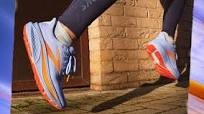
Brooks Walking Shoes: How to Find the Right Pair
Comfortable shoes can make a big difference on daily walks, long workdays, and trips that involve hours on your feet. Brooks is best known for running shoes, but many of its models are also popular with walkers for their cushioning, support, and range of fits. The right pair depends on how you walk, where you’ll wear them, and what feels comfortable on your feet.
Are Brooks Shoes Good for Walking?
Many Brooks running shoes can work well for walking. Their cushioned midsoles are designed to absorb impact, while different models offer varying levels of support and flexibility. A running shoe may feel comfortable for walking, but no single model is right for everyone—and a shoe marketed for walking isn’t automatically the best choice for every foot.
Consider your usual routes, how many hours you spend on your feet, and whether you prefer a soft or firmer feel. If possible, try shoes on later in the day, when feet may be slightly swollen, and take a short walk around the store before deciding.
Brooks Models Walkers Often Consider
Brooks Ghost
The Ghost line is a neutral running shoe that many people consider for everyday walking. It may suit walkers who want cushioning without pronounced built-in guidance. Versions and features change over time, so check the current model details and try it on to see whether the fit and ride work for you.
Brooks Adrenaline GTS
The Adrenaline GTS is designed with guidance features intended to help manage excess inward foot movement. Some walkers appreciate its supportive feel, especially for longer days on their feet. Support needs vary, though, and stability shoes are not automatically better for everyone.
Brooks Addiction Walker
The Addiction Walker is a walking-focused option in Brooks’ lineup. It may appeal to people seeking a more structured shoe for everyday wear or work. Check the current version’s specifications, as availability, construction, and features can change.
These are starting points, not medical recommendations. Brooks’ lineup and model details may change, and the best shoe is the one that fits comfortably and suits your needs.
What to Look for in Brooks Walking Shoes
- Comfortable fit: Your toes should have room to spread, with no pinching or rubbing. The heel should feel secure without slipping.
- Appropriate width: Brooks offers select models in multiple widths. A wider option may help if standard-width shoes feel tight across the forefoot.
- Cushioning that feels right: Plush cushioning can feel comfortable to some walkers, while others prefer a firmer, more grounded sensation.
- Support for your stride: Neutral and stability shoes feel different. Choose based on comfort and your individual needs rather than assumptions about your foot type.
- Outsole grip: For wet sidewalks, trails, or uneven paths, look for a sole suited to the surfaces you walk on.
- Breathable, practical materials: Mesh uppers can help with airflow, while other materials may be easier to clean or more suitable for work.
How to Choose the Right Pair
- Think about where you’ll walk. Road shoes are generally intended for pavement and other firm surfaces. For trails or rough terrain, look for footwear designed for better traction and protection.
- Try shoes with your usual socks. This gives you a more realistic sense of the fit.
- Check both feet. Feet can differ in size, so fit the larger foot and make sure neither shoe feels cramped.
- Walk before buying. Notice whether the shoe feels comfortable from the start. Don’t count on a painful fit becoming comfortable after a break-in period.
- Review the return policy. A short indoor test at home can help you decide whether the shoes still feel right.
Walking Shoes vs. Running Shoes
Running and walking place different demands on footwear, but that doesn’t mean a running shoe can’t work for walking. Running shoes often have more cushioning and are built for the repeated impact of running. Walking shoes may have a different shape, feel, or outsole design. For casual or fitness walks, comfort and fit are usually more useful guides than the label alone. For long work shifts or specialized needs, compare models carefully and consider advice from a qualified footwear professional.
When to Replace Walking Shoes
There’s no universal mileage limit for replacing shoes. How quickly they wear out depends on your body, walking frequency, surfaces, and shoe construction. Look for flattened or uneven cushioning, worn tread, loosened materials, or new discomfort during walks. If a pair no longer feels supportive or comfortable, it may be time to compare replacements.
The Bottom Line
Brooks offers several styles that walkers may want to try, from neutral everyday options to models with more guidance and walking-focused designs. Start with your route and fit preferences, then compare cushioning, support, width, and traction. A well-fitting shoe should feel comfortable and secure during a walk—not just look good on the shelf.
7 Essential Tips for Choosing the Perfect Brooks Walking Shoes
- Try shoes on later in the day, when feet are slightly swollen.
- Leave about a thumb’s width of space in front of your toes.
- Choose a fit that feels secure at the heel without pinching.
- Walk around the store to check comfort and stability.
- Wear the socks you typically use for walking when trying them on.
- Replace shoes when cushioning feels worn or the outsole is uneven.
- Check Brooks’ sizing guide, since fit can vary by model.
Try shoes on later in the day, when feet are slightly swollen.
Try on Brooks walking shoes later in the day, when your feet may be slightly swollen from normal activity. This helps you judge how the shoes will feel during a long walk or after hours on your feet. Wear your usual walking socks, and make sure there’s enough room for your toes without the shoe slipping at the heel.
Leave about a thumb’s width of space in front of your toes.
When trying on Brooks walking shoes, leave about a thumb’s width of space between your longest toe and the front of the shoe. This extra room helps prevent your toes from pressing against the toe box as your feet naturally shift and swell during walks. Make sure the shoes still feel secure around your heel and midfoot, without pinching or slipping.
Choose a fit that feels secure at the heel without pinching.
When trying on Brooks walking shoes, look for a heel fit that feels secure without rubbing, slipping, or pinching. Your heel should stay comfortably in place as you walk, while the rest of the shoe gives your foot room to move naturally. If the heel feels too tight or causes pressure, try a different size or fit—comfort should be there from the start.
Walk around the store to check comfort and stability.
Before buying Brooks walking shoes, take a few minutes to walk around the store in them. Notice whether they feel comfortable from the first step, with enough room for your toes and a secure fit around your heel. Pay attention to stability, too: the shoes should feel balanced and supportive without rubbing, pinching, or making your feet feel unsteady.
Wear the socks you typically use for walking when trying them on.
Wear the socks you typically use for walking when trying on Brooks walking shoes. Sock thickness can affect how a shoe fits, so bringing your usual pair helps you check that there’s enough room around your toes and that the heel feels secure. This makes it easier to find a comfortable fit for your everyday walks.
Replace shoes when cushioning feels worn or the outsole is uneven.
Replace your Brooks walking shoes when the cushioning feels flattened or less comfortable, or when the outsole has worn down unevenly. These changes can affect how the shoes feel and support your steps. Check the soles regularly, and if you notice new discomfort or an unstable feel, consider trying a fresh pair.
Check Brooks’ sizing guide, since fit can vary by model.
Check Brooks’ sizing guide before buying, since fit can vary from one model to another. Use the measurements as a helpful starting point, then try the shoes on with your usual walking socks and make sure your toes have room, your heel feels secure, and there’s no pinching or rubbing.