
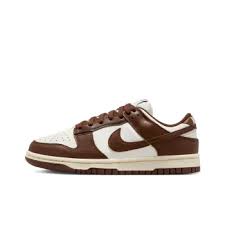
Nike Steel Toe Shoes: What to Know Before You Buy
If you’re searching for Nike steel toe shoes, you’re likely looking for the comfort and athletic style of a Nike sneaker with the protection required for work. It’s important to check the safety rating before you buy: many Nike shoes and boots have a workwear-inspired look, but that doesn’t automatically mean they have a protective toe or meet workplace safety standards.
Does Nike Make Steel Toe Shoes?
Nike’s familiar sneakers and many of its boots are designed for sports, outdoor use, or everyday wear—not as certified protective footwear. A sturdy-looking shoe, reinforced upper, or rugged outsole is not a substitute for a safety toe. Product offerings can change, so check Nike’s current product details and the manufacturer’s safety documentation rather than relying on the style or name.
Be cautious of listings that describe a Nike shoe as “steel toe” without showing verifiable certification. Some third-party sellers may use the phrase to attract shoppers, and aftermarket modifications do not necessarily make footwear compliant with workplace rules.
What to Look for in a Safety Shoe
If your job requires protective footwear, choose a shoe or boot that is specifically made and tested for that purpose. In the United States, look for documentation that it meets the applicable ASTM F2413 requirements. Depending on your workplace, you may also need protection against hazards such as electrical exposure, punctures, or slips.
- Protective toe: Confirm whether the shoe has a steel, composite, or alloy toe and meets the required standard.
- Workplace approval: Check your employer’s safety policy. A general safety-toe rating may not cover every job hazard.
- Slip-resistant outsole: Choose tread and materials suitable for the surfaces and substances you encounter.
- Fit and comfort: Allow enough room for your toes, and try shoes on with the socks you wear at work.
- Durability: Consider the upper material, stitching, sole construction, and conditions in which you’ll wear the shoes.
Steel Toe vs. Composite Toe
Steel-toe shoes use a steel cap to help protect the toes from impact and compression. Composite-toe shoes use nonmetal materials, such as fiberglass or carbon fiber. Both types may meet recognized safety standards when properly tested and labeled. Composite toes are often lighter and may be preferable in settings with metal detectors, while steel toes may suit workers who prefer a traditional protective cap. The best choice depends on your job requirements and personal comfort.
How to Choose an Athletic-Style Work Shoe
If you like Nike’s sporty look and cushioning, search for safety footwear from brands that specialize in certified work shoes. Some offer sneaker-inspired designs with protective toes, supportive midsoles, and work-focused outsoles. Compare the product’s certification and features with your employer’s requirements—not just its appearance or brand.
Before ordering, read the full product description and look for a clear safety label or manufacturer documentation. If a listing does not identify the standard or protective features, contact the seller or choose a product with details you can verify. Also check the return policy, since a shoe that feels comfortable at first may not fit well through a full work shift.
The Bottom Line
Nike-style comfort and design can be appealing, but ordinary Nike sneakers and boots should not be assumed to provide steel-toe protection. For work, choose footwear that is explicitly identified as safety footwear and meets the standards required for your job. Verify the rating, prioritize fit, and follow your employer’s guidance before making a purchase.
Common Questions About Nike Steel Toe and Safety Footwear
- Is air max 90 surplus steel toe?
- Do Nike make safety shoes?
- Does Nike have work boots?
- Does Nike have steel toes?
Is air max 90 surplus steel toe?
No. The Nike Air Max 90 Surplus is a lifestyle sneaker, not a steel-toe safety shoe. Its rugged appearance does not mean it has a protective toe or meets workplace safety standards. If your job requires safety footwear, check your employer’s requirements and choose a shoe explicitly labeled and certified for the hazards you face.
Do Nike make safety shoes?
Nike is best known for athletic and lifestyle footwear, and most Nike shoes are not designed or certified as safety shoes. Some Nike boots may look rugged, but that doesn’t mean they have a protective toe or meet workplace safety standards. Check Nike’s official product information for any current safety-rated models, and choose footwear with clear ASTM F2413 documentation if your job requires protective shoes.
Does Nike have work boots?
Nike offers boots designed for outdoor activities and everyday wear, but its regular boots should not be assumed to be work boots with safety features. If you need footwear for a job site, check the product details for a protective toe and the required safety rating, such as ASTM F2413, and confirm that the shoe meets your employer’s requirements. A rugged look alone does not guarantee workplace protection.
Does Nike have steel toes?
Nike is not widely known for offering steel-toe work shoes, and most Nike sneakers and boots are not designed or certified as protective footwear. Because product lines can change, check Nike’s current listings and the shoe’s official safety documentation before buying. If your job requires toe protection, choose footwear clearly labeled as meeting the applicable ASTM F2413 requirements, and confirm it satisfies your employer’s safety rules.