
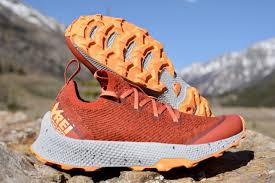
The Ultimate Guide to Trail Running Shoes
Trail running is a challenging yet rewarding outdoor activity that requires the right gear, especially when it comes to footwear. Trail running shoes are specifically designed to provide traction, stability, and protection on rugged and uneven terrain. Here’s everything you need to know about choosing the perfect pair of trail running shoes:
Key Features of Trail Running Shoes:
- Grippy Outsole: Look for shoes with a lugged outsole made of durable rubber for maximum traction on various surfaces.
- Protective Toe Cap: A reinforced toe cap helps shield your toes from rocks and roots along the trail.
- Cushioned Midsole: A responsive yet cushioned midsole provides comfort and support during long runs on rough terrain.
- Waterproofing: Some trail running shoes come with waterproof membranes to keep your feet dry in wet conditions.
- Breathable Upper: Opt for shoes with a breathable mesh upper to keep your feet cool and comfortable during intense runs.
Choosing the Right Fit:
When selecting trail running shoes, consider factors such as your foot shape, arch type, and preferred level of cushioning. It’s essential to try on different models and sizes to find the perfect fit that offers both comfort and performance.
Tips for Maintaining Your Trail Running Shoes:
- Clean Regularly: Remove dirt and debris from your shoes after each run to prolong their lifespan.
- Air Dry: Allow your shoes to air dry naturally after getting wet or sweaty to prevent odors and mold growth.
- Rotate Pairs: Consider rotating between multiple pairs of trail running shoes to extend their durability and prevent wear and tear.
In Conclusion
Investing in a high-quality pair of trail running shoes is essential for enjoying a safe and comfortable experience on challenging trails. By considering key features, choosing the right fit, and maintaining your shoes properly, you can maximize performance and durability while exploring the great outdoors.
9 Essential Tips for Choosing the Perfect Trail Running Shoes
- Choose trail running shoes with good traction for various terrains.
- Look for shoes with durable and protective materials to shield your feet from rocks and debris.
- Consider the level of cushioning you need based on the terrain and your preferences.
- Ensure a proper fit to prevent blisters and discomfort during long runs.
- Check for water resistance if you’ll be running in wet conditions.
- Opt for breathable shoes to keep your feet cool and dry on hot days.
- Inspect the lacing system to ensure a secure and adjustable fit.
- Rotate between multiple pairs of trail running shoes to extend their lifespan.
- Regularly clean and maintain your shoes to prolong their durability.
Choose trail running shoes with good traction for various terrains.
When selecting trail running shoes, it is crucial to prioritize models with excellent traction designed for various terrains. The quality of traction on the outsole can significantly impact your stability and confidence while navigating rugged and uneven surfaces. Opting for shoes with superior grip ensures better control and minimizes the risk of slipping or sliding, allowing you to tackle diverse trail conditions with ease and agility. Prioritizing good traction in your trail running shoes is key to enhancing your performance and overall trail running experience.
Look for shoes with durable and protective materials to shield your feet from rocks and debris.
When selecting trail running shoes, it is crucial to prioritize durability and protection by opting for footwear constructed with robust materials. Shoes featuring sturdy and protective elements serve as a shield against rocks, branches, and debris encountered along rugged trails, ensuring the safety and comfort of your feet during challenging runs. By choosing trail running shoes with durable construction, you can enhance your performance and focus on enjoying the exhilarating outdoor experience without worrying about potential foot injuries.
Consider the level of cushioning you need based on the terrain and your preferences.
When selecting trail running shoes, it is crucial to consider the level of cushioning that best suits your needs and preferences, taking into account the terrain you will be running on. A well-cushioned shoe can provide comfort and support on rocky or uneven trails, absorbing impact and reducing the risk of fatigue or injury. Conversely, if you prefer a more minimalist feel or will be running on smoother surfaces, opting for a lighter cushioning may offer a more responsive and natural running experience. Finding the right balance of cushioning ensures optimal performance and enjoyment during your trail runs.
Ensure a proper fit to prevent blisters and discomfort during long runs.
Ensuring a proper fit is crucial when it comes to trail running shoes, as it can help prevent blisters and discomfort during long runs. A shoe that fits well will provide the necessary support and cushioning, reducing the risk of friction that can lead to painful blisters. By taking the time to find the right size and style that suits your foot shape and running gait, you can enhance your comfort and performance on rugged trails, allowing you to focus on enjoying the beauty of nature without distractions.
Check for water resistance if you’ll be running in wet conditions.
When selecting trail running shoes, it is crucial to consider the level of water resistance if you anticipate running in wet conditions. Opting for shoes with waterproof membranes or water-resistant materials can help keep your feet dry and comfortable when traversing muddy trails or crossing streams. By prioritizing water resistance in your shoe selection, you can ensure a more enjoyable and hassle-free trail running experience, even in inclement weather conditions.
Opt for breathable shoes to keep your feet cool and dry on hot days.
Choosing trail running shoes with breathable features is crucial for maintaining comfort and performance on hot days. Opting for shoes with a breathable mesh upper allows air to circulate around your feet, keeping them cool and dry even in the most intense running conditions. By prioritizing breathability in your footwear, you can minimize discomfort, prevent moisture build-up, and enhance your overall trail running experience.
Inspect the lacing system to ensure a secure and adjustable fit.
When selecting trail running shoes, it is crucial to inspect the lacing system to ensure a secure and adjustable fit. A well-designed lacing system allows you to customize the tightness of the shoe to your preference, providing stability and preventing slippage during runs on rugged terrain. By paying attention to this detail, you can optimize comfort and performance, ensuring that your shoes stay snugly in place throughout your trail running adventures.
Rotate between multiple pairs of trail running shoes to extend their lifespan.
Rotating between multiple pairs of trail running shoes is a smart strategy to prolong their lifespan and optimize performance. By alternating between different pairs, you allow each shoe to fully dry out and recover between runs, reducing wear and tear on any single pair. This practice also helps maintain the cushioning and support of the shoes over time, ensuring that you can continue to enjoy comfortable and effective trail runs for longer periods.
Regularly clean and maintain your shoes to prolong their durability.
Regularly cleaning and maintaining your trail running shoes is crucial to extending their durability and performance on rugged terrain. By removing dirt, debris, and moisture after each run, you can prevent premature wear and maintain the integrity of the shoe materials. Proper care not only prolongs the lifespan of your shoes but also ensures that they continue to provide the traction, support, and protection needed for a successful trail running experience.