
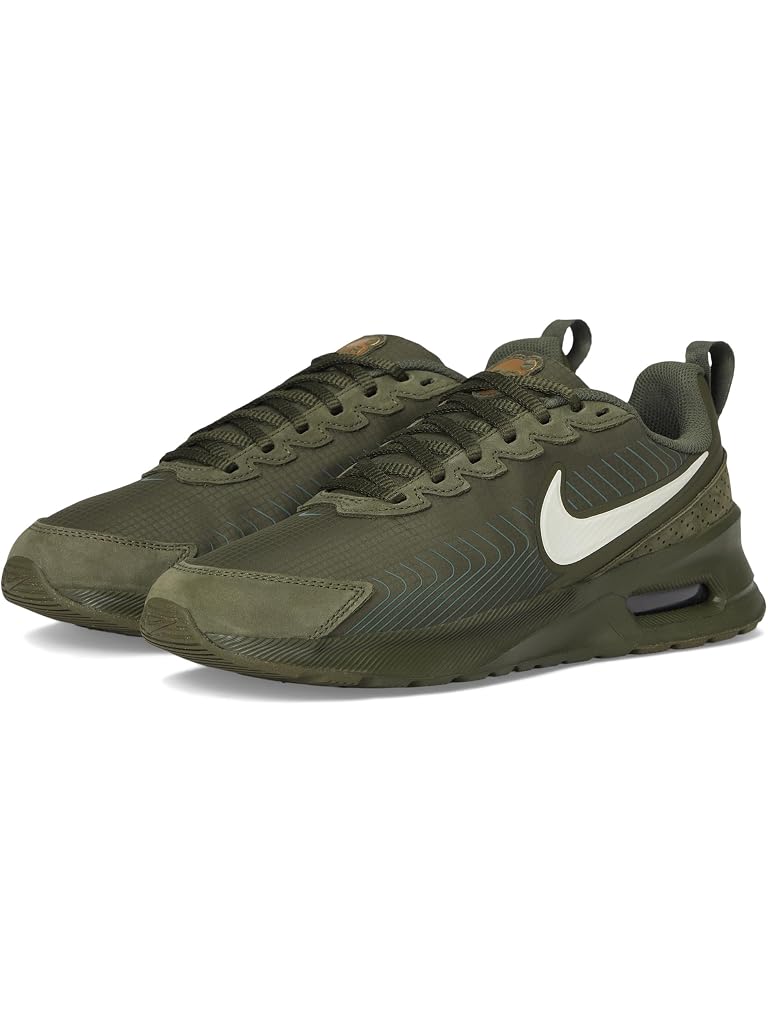
Nike Walking Shoes: How to Choose the Right Pair
The right walking shoes can make everyday miles feel more comfortable, whether you’re commuting, traveling, taking a daily walk, or spending hours on your feet. Nike offers a wide range of athletic shoes that people use for walking, but the best pair depends on your feet, walking habits, and preferred fit—not just the logo or style.
What to Look for in Nike Walking Shoes
Walking puts repeated pressure on your feet, so comfort and fit should come first. When comparing Nike shoes for walking, consider these features:
- Comfortable cushioning: A cushioned midsole can help soften the feel of each step. Some people prefer a plush, padded ride, while others like a firmer, more connected feel.
- A secure fit: The heel should feel stable, and the midfoot should feel comfortably held without pinching. Leave a little space in front of your toes, especially if your feet tend to swell during long walks.
- Flexibility: A shoe should move naturally with your foot. Check that it bends comfortably, particularly around the forefoot.
- Breathable materials: Mesh uppers can help air circulate and may feel more comfortable in warm weather or during longer walks.
- Traction: Look at the outsole and choose a shoe suited to where you walk, whether that’s smooth indoor flooring, sidewalks, or park paths.
- Weight: A lighter shoe may feel easier for long periods of walking, while a more substantial design may offer a feel some walkers prefer.
Can You Wear Nike Running Shoes for Walking?
Yes. Many people choose running shoes for walking because they offer cushioning and are designed for repeated impact. A running shoe may work well for daily walks, travel, or long days on your feet if it fits comfortably and feels stable at your natural walking pace.
However, running and walking are different movements. A shoe that feels great while running may not feel as comfortable during a slower walk. Try shoes on and walk around in them before deciding. If you walk mostly on trails, look for a design intended for that terrain rather than relying on a road-focused shoe.
Popular Nike Shoe Categories to Consider
Nike’s lineup changes over time, so availability and features can vary by season. Rather than choosing by model name alone, use the intended activity as a starting point:
- Road-running shoes: Often a practical option for sidewalks, paved paths, and everyday walking. Compare cushioning, weight, and stability to find a feel you like.
- Trail shoes: Designed for uneven surfaces, with outsoles suited to off-road terrain. They may feel less natural on smooth pavement, so consider where you walk most often.
- Everyday athletic shoes: These can work for short walks and casual wear. Check that they provide enough comfort and support for the amount of time you plan to spend on your feet.
How to Find the Right Fit
Try shoes on later in the day if possible, when feet may be slightly larger. Wear the socks you expect to use for walking, and test both shoes—feet are not always exactly the same size. Walk around the store and notice whether anything rubs, slips, or presses against your toes.
Don’t assume you need the same size in every Nike style. The shape and feel can vary between designs. If you use orthotic inserts, bring them along when trying on shoes and make sure there is enough room for them.
When to Replace Walking Shoes
There isn’t one replacement schedule that works for everyone. How long shoes last depends on how often you wear them, your walking surface, and how the shoes are constructed. Watch for worn tread, creasing or compression in the midsole, damaged uppers, or a noticeable drop in comfort. If a pair no longer feels supportive or begins causing discomfort, it may be time to look for a replacement.
Choosing With Confidence
The best Nike walking shoes are the ones that fit your feet and suit your routine. Think about where you walk, how far you usually go, and whether you prefer soft cushioning or a firmer feel. Compare the current options, try them on when you can, and prioritize comfort over appearance or trend. A well-fitting pair can make it easier to enjoy every step.
6 Tips for Choosing and Caring for Nike Walking Shoes
- Choose a fit with room for your toes.
- Try shoes on later in the day, when feet may be larger.
- Look for cushioning that feels comfortable on your walks.
- Check the outsole for grip suited to your usual routes.
- Walk around in both shoes before buying.
- Replace shoes when cushioning or tread shows noticeable wear.
Choose a fit with room for your toes.
Choose Nike walking shoes with enough room for your toes to spread naturally. A little space between your longest toe and the front of the shoe can help prevent rubbing and pressure, especially during long walks when feet may swell. The shoe should feel secure around your heel and midfoot without squeezing the forefoot; try them on with your usual walking socks and make sure your toes can move comfortably.
Try shoes on later in the day, when feet may be larger.
Try on Nike walking shoes later in the day, when your feet may be slightly larger from normal daily activity. This can help you find a fit that stays comfortable during longer walks, rather than one that feels too tight as your feet swell. Wear the socks you typically walk in, and make sure there’s enough room to wiggle your toes.
Look for cushioning that feels comfortable on your walks.
When choosing Nike walking shoes, look for cushioning that feels comfortable at your usual walking pace. Some people prefer a soft, plush feel, while others like firmer cushioning that feels more responsive. Try the shoes on and walk around to see how they feel underfoot, paying attention to comfort and support with every step.
Check the outsole for grip suited to your usual routes.
Check the outsole for grip that matches your usual routes. A flatter tread may work well on sidewalks and indoor surfaces, while deeper, more textured patterns can provide better traction on park paths or uneven trails. Choosing the right tread can help you feel more secure underfoot as conditions change.
Walk around in both shoes before buying.
Before buying Nike walking shoes, try on both shoes and walk around for a few minutes. This helps you check that they feel comfortable on both feet, fit securely at the heel, and leave enough room for your toes. Pay attention to any slipping, rubbing, or pressure—small discomforts in the store can become more noticeable on a longer walk.
Replace shoes when cushioning or tread shows noticeable wear.
Replace your Nike walking shoes when the cushioning feels compressed or less comfortable, or when the tread shows noticeable wear. Worn shoes may feel less supportive and provide less reliable traction, especially on slick or uneven surfaces. Check the soles regularly, and pay attention to changes in how your feet and legs feel during or after walks.