
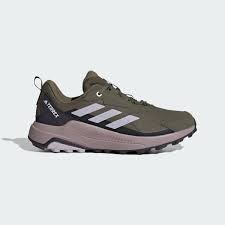
Adidas Hiking Shoes: How to Choose the Right Pair
Adidas hiking shoes are designed for hikers who want the feel and freedom of a lower-cut shoe with features suited to trails. Depending on the model, they may offer trail-focused traction, supportive cushioning, protective materials, or weather-resistant construction. The best pair for you depends on where you hike, how long you’re out, and the conditions you expect to encounter.
What Makes Adidas Hiking Shoes Different?
Hiking shoes generally sit below the ankle, making them lighter and less restrictive than many hiking boots. Adidas offers outdoor footwear across a range of styles, from trail shoes suited to day hikes to sturdier options designed for more demanding terrain. Specific features vary by model, so check the product details before buying.
- Traction: Trail-focused outsoles are designed to grip uneven surfaces. The tread pattern and rubber compound can affect performance on dirt, rock, and wet ground.
- Cushioning: Midsole cushioning can make long walks more comfortable, especially on hard-packed trails.
- Protection: Some designs include reinforced areas around the toe and sides to help protect against bumps and trail debris.
- Weather resistance: Certain models use waterproof or water-resistant materials, while others prioritize breathability. These aren’t interchangeable, so choose based on your typical conditions.
- Fit and support: A secure fit helps reduce slipping inside the shoe. Some hikers may prefer a more structured design for rougher routes or heavier loads.
Choosing the Right Adidas Hiking Shoes
Consider the terrain
For maintained paths and easy day hikes, a flexible, lightweight shoe may be a comfortable choice. Rocky, muddy, or uneven routes call for dependable traction and a more protective upper. If your hikes involve steep descents or carrying a full pack, consider how much stability and structure the shoe provides.
Think about the weather
For warm, dry conditions, a breathable shoe can help keep feet more comfortable. If you often hike through rain, wet grass, or shallow puddles, a waterproof model may be worth considering. Keep in mind that waterproof construction can feel warmer and may take longer to dry if water gets inside over the collar.
Get the fit right
Try hiking shoes on with the socks you plan to wear on the trail. Your heel should feel secure, while your toes should have enough room to move without hitting the front of the shoe on downhill sections. Fit can vary between models, so use the brand’s sizing guidance and, when possible, try on more than one option.
Match the shoe to your hiking habits
A shoe for occasional local walks may not be the best choice for frequent, long-distance hikes. Think about the distance, elevation, trail conditions, and pack weight you usually encounter. For technical terrain or substantial loads, a hiking boot may provide more ankle coverage and structure than a low-cut shoe.
Breaking In and Caring for Your Shoes
Wear new hiking shoes on short walks before taking them on a long hike. This gives you time to identify pressure points and adjust your lacing. After each outing, brush off dirt and let the shoes air-dry away from direct heat. Follow the care instructions for the specific model, particularly if it has a waterproof membrane or specialized materials.
Frequently Asked Questions
Are Adidas hiking shoes waterproof?
Some models are made with waterproof or water-resistant features, and others are designed to be more breathable. Check the individual product description for details rather than assuming every Adidas hiking shoe has the same level of water protection.
Can Adidas hiking shoes be used for everyday wear?
Many hiking shoes can also work for casual everyday use, especially if you like their fit and style. Their trail-oriented tread and construction may feel different from a standard sneaker, so comfort depends on the model and your preferences.
Are hiking shoes suitable for difficult trails?
They can be suitable for some challenging routes, but the right choice depends on the shoe, terrain, weather, and load you’re carrying. For especially rough terrain or a heavy backpack, compare a hiking shoe with a more supportive boot before deciding.
Final Thoughts
Adidas hiking shoes offer options for a range of outdoor plans, but there isn’t one ideal pair for every hiker. Compare the fit, traction, protection, breathability, and weather features of each model, then choose based on the trails you actually hike. A comfortable, well-fitting pair can make day hikes and everyday adventures more enjoyable.
9 Essential Tips for Choosing and Maintaining Your Adidas Hiking Shoes
- Choose adidas hiking shoes suited to your terrain.
- Try them on with your hiking socks.
- Allow room for toes on downhill sections.
- Check the outsole for grip and stability.
- Pick waterproof models for wet conditions.
- Choose breathable shoes for warm, dry hikes.
- Break in new shoes before long trips.
- Clean off dirt after each hike.
- Replace shoes when cushioning or tread wears down.
Choose adidas hiking shoes suited to your terrain.
Choose adidas hiking shoes based on the terrain you’ll be exploring. Lightweight, flexible styles can work well on smooth, maintained trails, while rocky, muddy, or uneven routes call for dependable grip and added protection. Consider how much support you need, too—especially on steep hikes or when carrying a heavy pack. Check each shoe’s features and fit so your pair matches the conditions you encounter most often.
Try them on with your hiking socks.
Try on Adidas hiking shoes with the hiking socks you plan to wear on the trail. The thickness of your socks can affect the fit, so testing them together helps you check for a secure heel, comfortable midfoot, and enough room for your toes to move. Walk around and try a few steps on an incline if possible; your toes shouldn’t press against the front when your feet slide forward.
Allow room for toes on downhill sections.
When choosing adidas hiking shoes, make sure there’s enough room in the toe box for your toes to move, especially on downhill sections. Your feet can slide forward as you descend, and a snug fit may cause your toes to press against the front of the shoe, leading to discomfort or blisters. Try the shoes on with your hiking socks and check the fit on a ramp or stairs, while keeping your heel secure.
Check the outsole for grip and stability.
Check the outsole for grip and stability before choosing adidas hiking shoes. Look for a tread pattern suited to the terrain you hike most—deeper, more pronounced lugs can help on loose or uneven trails, while a stable base can feel more secure underfoot. The right outsole can improve confidence on the trail, but traction varies by model and conditions, so consider where and how you plan to hike.
Pick waterproof models for wet conditions.
For rainy hikes, muddy trails, or routes with wet grass and shallow puddles, choose Adidas hiking shoes labeled waterproof or water-resistant. They can help keep your feet dry and comfortable, but check each model’s features: water protection varies, and waterproof shoes may feel warmer and take longer to dry if water gets inside.
Choose breathable shoes for warm, dry hikes.
For warm, dry hikes, choose breathable adidas hiking shoes to help air circulate and keep your feet more comfortable as you move. Lightweight materials and ventilated uppers can reduce heat buildup, especially on longer walks or sunny trails. Pair them with moisture-wicking hiking socks, and make sure the shoes fit well so your feet have room to move without slipping.
Break in new shoes before long trips.
Break in your new Adidas hiking shoes before taking them on a long trip. Wear them around the house, on short walks, and on easy trails to help the materials adjust to your feet and to spot any rubbing or pressure points early. Pair them with your usual hiking socks, and adjust the lacing until the fit feels secure and comfortable.
Clean off dirt after each hike.
Clean dirt off your adidas hiking shoes after every hike to help keep the materials and traction in good condition. Use a soft brush or damp cloth to remove mud and debris, paying extra attention to the outsole and seams. Let the shoes air-dry naturally, away from direct heat, and follow the care instructions for your specific pair.
Replace shoes when cushioning or tread wears down.
Replace your Adidas hiking shoes when the cushioning feels compressed or less supportive, or when the outsole tread is worn smooth or uneven. Worn cushioning can make long walks less comfortable, while reduced tread may compromise grip on trails. Check your shoes regularly, especially after frequent hikes, and choose a replacement before the old pair’s wear affects your comfort or footing.