
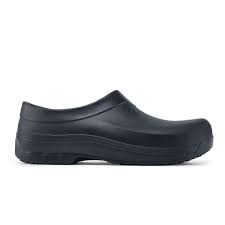
The Importance of Slip-Resistant Work Shoes
When it comes to staying safe in the workplace, one often overlooked but crucial aspect is the type of footwear you choose to wear. Slip-resistant work shoes are designed to provide traction and stability on slippery surfaces, reducing the risk of accidents and injuries in various work environments.
Preventing Slips and Falls
Slips and falls are among the most common workplace accidents, leading to injuries ranging from minor bruises to serious fractures. By wearing slip-resistant work shoes, workers can significantly reduce the chances of slipping on wet or oily surfaces, uneven terrain, or other hazardous conditions commonly found in workplaces.
Enhanced Stability and Comfort
Slip-resistant shoes are not only about safety but also about comfort and stability. These shoes are designed with features such as supportive soles, cushioned insoles, and ergonomic designs that help reduce fatigue and provide all-day comfort for those who spend long hours on their feet.
Versatility and Style
Gone are the days when slip-resistant work shoes were bulky and unattractive. Today, you can find a wide range of stylish options that offer both functionality and fashion. Whether you work in a restaurant, hospital, construction site, or any other industry where slip hazards exist, there is a pair of slip-resistant shoes that suits your needs and preferences.
Investing in Safety
Choosing slip-resistant work shoes is not just a matter of compliance with safety regulations; it’s an investment in your well-being and peace of mind. By prioritizing safety from the ground up, you contribute to a safer work environment for yourself and your colleagues.
Conclusion
Slip-resistant work shoes play a vital role in preventing accidents, promoting comfort, and enhancing style in various workplaces. Whether you’re a chef, nurse, construction worker, or anyone who faces slippery conditions at work, investing in quality slip-resistant footwear is a smart decision that benefits both your safety and overall performance.
7 Essential Tips for Choosing and Maintaining Slip-Resistant Work Shoes
- Choose shoes with slip-resistant outsoles designed for maximum traction.
- Look for shoes with a tread pattern that provides good grip on various surfaces.
- Ensure the shoes fit properly to prevent any slipping or discomfort.
- Consider waterproof or water-resistant materials to keep your feet dry and comfortable.
- Opt for work shoes with supportive insoles and cushioning for all-day comfort.
- Regularly clean and maintain the slip-resistant outsoles for optimal performance.
- Replace your work shoes when you notice signs of wear and decreased slip resistance.
Choose shoes with slip-resistant outsoles designed for maximum traction.
When selecting slip-resistant work shoes, it is essential to prioritize outsoles specifically engineered for maximum traction. These specialized outsoles are designed to provide superior grip on slippery surfaces, minimizing the risk of slips and falls in the workplace. By choosing shoes with slip-resistant outsoles, you can enhance your safety and stability while navigating challenging work environments, ensuring you can focus on your tasks with confidence and peace of mind.
Look for shoes with a tread pattern that provides good grip on various surfaces.
When selecting slip-resistant work shoes, it is essential to prioritize a tread pattern that offers excellent grip on a variety of surfaces. The design of the shoe’s outsole plays a crucial role in providing traction and stability, especially on slippery or uneven terrain. Look for shoes with a well-defined tread pattern that can effectively channel away liquids and debris, ensuring a secure footing in diverse work environments. By choosing footwear with the right tread design, you can enhance your safety and confidence while navigating different surfaces during your workday.
Ensure the shoes fit properly to prevent any slipping or discomfort.
Ensuring that slip-resistant work shoes fit properly is essential to prevent any slipping or discomfort while on the job. Properly fitting shoes not only provide better traction but also reduce the risk of blisters, soreness, and other foot-related issues that can arise from wearing ill-fitting footwear. By choosing the right size and ensuring a comfortable fit, workers can maximize the effectiveness of their slip-resistant shoes and focus on their tasks with confidence and ease.
Consider waterproof or water-resistant materials to keep your feet dry and comfortable.
When selecting slip-resistant work shoes, it’s essential to consider footwear made from waterproof or water-resistant materials to ensure your feet stay dry and comfortable throughout the workday. These materials not only help protect your feet from moisture but also contribute to overall foot health by preventing discomfort and potential skin issues caused by prolonged exposure to wet conditions. Choosing shoes with waterproof features adds an extra layer of protection, allowing you to focus on your tasks without worrying about soggy socks or damp feet.
Opt for work shoes with supportive insoles and cushioning for all-day comfort.
When choosing slip-resistant work shoes, it’s essential to opt for pairs that feature supportive insoles and cushioning to ensure all-day comfort. These features not only provide stability and reduce fatigue but also contribute to a more pleasant and productive work experience. With the right support and cushioning, you can stay focused on your tasks without being distracted by discomfort or foot pain, allowing you to perform at your best throughout the day.
Regularly clean and maintain the slip-resistant outsoles for optimal performance.
To ensure optimal performance of slip-resistant work shoes, it is essential to regularly clean and maintain the slip-resistant outsoles. Over time, dirt, debris, and grime can accumulate on the outsoles, compromising their traction capabilities. By keeping the outsoles clean and free from buildup, workers can maximize the effectiveness of their slip-resistant shoes and reduce the risk of slips and falls in the workplace. A simple routine of cleaning and maintaining the outsoles can go a long way in preserving the safety and longevity of these essential work shoes.
Replace your work shoes when you notice signs of wear and decreased slip resistance.
It is essential to replace your work shoes as soon as you notice signs of wear and decreased slip resistance. Continuing to wear shoes that have worn-out treads or diminished grip can significantly increase your risk of slipping and falling in the workplace. By staying vigilant and proactive in monitoring the condition of your work shoes, you prioritize your safety and ensure that you are always equipped with reliable slip-resistant footwear to navigate various work environments effectively.