
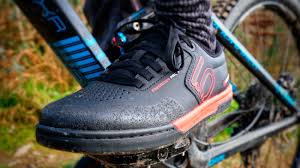
The Essential Guide to Cycling Shoes
When it comes to cycling, having the right gear can make all the difference in your performance and comfort. One often overlooked piece of equipment that can greatly impact your ride is cycling shoes. These specialized shoes are designed to enhance your cycling experience in a variety of ways.
Why Cycling Shoes Matter
Cycling shoes are not just any ordinary footwear. They are specifically engineered to optimize power transfer from your legs to the pedals, resulting in more efficient pedaling and better overall performance. The stiff soles of cycling shoes help distribute pressure evenly across your foot, reducing fatigue and increasing power output.
The Different Types of Cycling Shoes
There are several types of cycling shoes available, each designed for different riding styles and preferences:
- Road Cycling Shoes: These shoes are lightweight with stiff soles for maximum power transfer. They often feature ventilation to keep your feet cool during long rides.
- Mountain Biking Shoes: Designed for off-road trails, these shoes have rugged soles for better grip when walking or hiking over rough terrain.
- Indoor Cycling Shoes: Also known as spin shoes, these are designed for use with stationary bikes and indoor cycling classes. They typically have SPD cleats compatible with most indoor cycling pedals.
Key Features to Look For
When choosing cycling shoes, consider the following key features:
- Closure System: Look for a secure closure system such as Velcro straps, ratcheting buckles, or boa dials for a snug fit.
- Cleat Compatibility: Make sure the shoes are compatible with the type of cleats used by your pedals (e.g., SPD-SL, SPD, Look Keo).
- Breathability: Ventilation is crucial to prevent overheating and maintain comfort during long rides.
- Fit and Comfort: Choose a shoe that fits well and provides adequate support without causing discomfort or hot spots.
Maintaining Your Cycling Shoes
To prolong the life of your cycling shoes, it’s important to clean them regularly and store them in a cool, dry place. Check the cleats periodically for wear and replace them as needed to ensure optimal pedal engagement.
Investing in a good pair of cycling shoes can significantly improve your riding experience and help you reach new levels of performance on the road or trail. Whether you’re a casual rider or a seasoned cyclist, choosing the right pair of cycling shoes is essential for maximizing your potential on two wheels.
Top 8 Benefits of Cycling Shoes: Boost Efficiency, Comfort, and Performance
- Enhanced power transfer for more efficient pedaling.
- Stiff soles reduce foot fatigue on long rides.
- Improved stability and control while cycling.
- Customizable fit with various closure systems available.
- Compatibility with different types of cleats for versatile use.
- Ventilation keeps feet cool and dry during intense rides.
- Specialized designs for road, mountain biking, and indoor cycling.
- Durable construction ensures long-lasting performance.
7 Drawbacks of Cycling Shoes: What to Consider Before Buying
- Initial Cost
- Specialized Use
- Break-In Period
- Maintenance
- Limited Walking Comfort
- Fit Issues
- Cleat Installation
Enhanced power transfer for more efficient pedaling.
Cycling shoes offer a significant advantage with their enhanced power transfer capability, allowing for more efficient pedaling. The stiff soles of cycling shoes help to minimize energy loss by ensuring that the force exerted on the pedals is directly transferred to the bike’s drivetrain. This results in a smoother and more effective pedaling motion, ultimately improving overall performance and reducing fatigue during long rides. By maximizing power transfer, cycling shoes enable cyclists to pedal with greater efficiency and achieve optimal speed and endurance on the road or trail.
Stiff soles reduce foot fatigue on long rides.
The stiffness of cycling shoe soles offers a significant advantage by effectively reducing foot fatigue during extended rides. By providing a stable platform and distributing pressure evenly across the foot, stiff soles minimize strain on the muscles and joints, allowing cyclists to pedal more efficiently and comfortably for longer periods. This feature not only enhances the overall riding experience but also contributes to improved performance and endurance on challenging routes or endurance rides.
Improved stability and control while cycling.
Cycling shoes offer a significant advantage in terms of improved stability and control while cycling. The stiff soles and secure fit of cycling shoes help to distribute pressure evenly across the foot, allowing for better power transfer to the pedals. This enhanced stability translates to more precise and efficient pedaling, especially during high-intensity rides or challenging terrains. With cycling shoes, cyclists can enjoy a more confident and controlled riding experience, ultimately leading to better performance and enjoyment on the road or trail.
Customizable fit with various closure systems available.
Cycling shoes offer a significant advantage with their customizable fit, thanks to the availability of various closure systems. Whether it’s Velcro straps, ratcheting buckles, or boa dials, cyclists have the flexibility to adjust their shoes to achieve the perfect fit for optimal comfort and performance. This feature not only enhances the overall riding experience but also ensures that riders can fine-tune their footwear to suit their individual preferences and riding style.
Compatibility with different types of cleats for versatile use.
One of the key advantages of cycling shoes is their compatibility with a variety of cleats, allowing for versatile use across different types of pedals and riding styles. This flexibility enables cyclists to easily switch between road, mountain, or indoor cycling without having to invest in multiple pairs of shoes. By choosing cycling shoes that support various cleat systems, riders can customize their setup to suit their specific needs and preferences, enhancing both performance and comfort on the bike.
Ventilation keeps feet cool and dry during intense rides.
One of the key advantages of cycling shoes is their excellent ventilation, which plays a crucial role in keeping feet cool and dry, especially during intense rides. The strategic placement of breathable materials and air vents in cycling shoes allows for efficient airflow, preventing excessive sweating and moisture buildup. This not only enhances comfort but also helps to reduce the risk of blisters and discomfort, allowing cyclists to focus on their performance without distractions.
Specialized designs for road, mountain biking, and indoor cycling.
Cycling shoes offer the advantage of specialized designs tailored to different cycling disciplines, including road cycling, mountain biking, and indoor cycling. Road cycling shoes are lightweight with stiff soles for optimal power transfer, while mountain biking shoes feature rugged soles for enhanced grip on challenging terrain. Indoor cycling shoes, also known as spin shoes, are designed for stationary bikes and indoor classes, often equipped with cleats compatible with most indoor cycling pedals. By having specific designs for each type of cycling activity, cyclists can enjoy improved performance, comfort, and efficiency on their rides.
Durable construction ensures long-lasting performance.
The durable construction of cycling shoes ensures long-lasting performance, making them a reliable investment for avid cyclists. With sturdy materials and quality craftsmanship, cycling shoes can withstand the rigors of frequent rides and provide consistent support and comfort over time. This durability not only enhances the overall riding experience but also offers peace of mind knowing that your footwear can keep up with your cycling adventures for the long haul.
Initial Cost
One notable drawback of cycling shoes is their initial cost, which can be considerably higher than that of regular athletic shoes. The specialized design and materials used in cycling shoes, such as stiff soles for optimal power transfer and compatibility with cleats, contribute to their higher price point. While the investment in quality cycling shoes can enhance your performance and comfort on the bike, the upfront expense may deter some cyclists who are on a tight budget or just starting out in the sport.
Specialized Use
One drawback of cycling shoes is their specialized use, as they are purposefully designed for cycling and may lack versatility for other activities. While these shoes excel in optimizing power transfer and performance on the bike, their unique features and stiff soles may not be ideal for activities beyond cycling. This limitation can make it inconvenient for cyclists who prefer footwear that can transition seamlessly between biking and other daily tasks or recreational pursuits.
Break-In Period
One potential downside of cycling shoes is the break-in period they often require. New cycling shoes may feel stiff and uncomfortable initially, especially on longer rides, as they conform to the shape of your feet. This adjustment period can be frustrating for cyclists looking for immediate comfort and performance. However, once the shoes are broken in, they will provide a customized fit that enhances comfort and efficiency during rides. Patience during the break-in process is key to unlocking the full potential of your cycling shoes in the long run.
Maintenance
Maintenance of cycling shoes can be a downside for some cyclists as it requires more effort compared to caring for regular footwear. Due to the specialized design and materials used in cycling shoes, keeping them clean and well-maintained can be a more involved process. From removing dirt and grime that accumulates during rides to ensuring the cleats are properly aligned and functional, maintaining cycling shoes demands attention to detail and regular upkeep. This additional maintenance aspect may deter some riders who prefer low-maintenance footwear options, but the benefits of optimized performance and comfort that well-kept cycling shoes provide often outweigh the extra effort required.
Limited Walking Comfort
Cycling shoes, despite their many benefits, come with a notable drawback in the form of limited walking comfort. The stiff soles that enhance pedaling efficiency and power transfer may not offer the same level of comfort when walking off the bike. This can be particularly noticeable when navigating through areas where walking is required, such as rest stops or cafes during a cycling journey. Cyclists may find the rigid soles of cycling shoes less forgiving on hard surfaces, potentially leading to discomfort or fatigue during extended periods of walking.
Fit Issues
One common challenge cyclists face when it comes to cycling shoes is fit issues. Achieving the perfect fit can be a daunting task, particularly for individuals with unique foot shapes or sizes. Finding cycling shoes that provide both comfort and support while accommodating specific foot characteristics can require extra time and effort. However, overcoming fit issues is crucial to prevent discomfort, hot spots, or even injuries during rides. It’s essential for cyclists to explore different brands, models, and sizing options to find the ideal pair of cycling shoes that meet their individual needs and enhance their riding experience.
Cleat Installation
Cleat installation on cycling shoes presents a notable challenge, especially for beginners, due to the precision and adjustment required. Properly positioning cleats is crucial for optimal power transfer and comfort while riding. Beginners may find the process daunting as it involves aligning the cleats with the pedals to ensure efficient pedaling mechanics. Additionally, adjusting cleat position based on individual foot anatomy and riding style adds another layer of complexity. Mastery of cleat installation is essential for maximizing the benefits of cycling shoes, but it can be a steep learning curve for those new to the sport.