
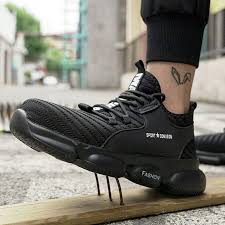
The Benefits of Composite Toe Shoes
Composite toe shoes have become increasingly popular in various industries due to their lightweight and protective features. Unlike traditional steel toe boots, composite toe shoes are made from non-metal materials such as Kevlar, carbon fiber, or plastic. Here are some key benefits of choosing composite toe shoes:
Lightweight Construction
One of the main advantages of composite toe shoes is their lightweight design. Unlike steel toe boots, which can be heavy and cumbersome, composite toe shoes provide protection without adding extra weight. This makes them more comfortable to wear for long hours on the job.
Electrical Hazard Protection
Composite toe shoes are non-conductive and do not conduct electricity like steel does. This feature makes them ideal for workers in environments where electrical hazards are a concern. They provide an extra layer of safety against accidental contact with live wires or electrical equipment.
Enhanced Comfort
Due to their non-metallic construction, composite toe shoes offer better insulation against heat and cold compared to steel toe boots. They also tend to have more flexibility, allowing for greater ease of movement and reduced fatigue during long shifts.
Airport-Friendly
If you travel frequently for work and need to pass through airport security checkpoints, composite toe shoes are a convenient choice. Since they do not contain metal components, you can breeze through security screenings without having to remove your footwear.
Meets Safety Standards
Just like steel toe boots, composite toe shoes meet industry safety standards for impact and compression resistance. They provide reliable protection for your toes against falling objects or heavy equipment in hazardous work environments.
Overall, composite toe shoes offer a modern alternative to traditional steel toe boots with their lightweight design, electrical hazard protection, enhanced comfort, airport-friendly features, and compliance with safety standards. Consider investing in a pair of composite toe shoes for your next work footwear choice.
Top 7 Advantages of Composite Toe Shoes: Comfort, Safety, and Convenience
- Lightweight design for increased comfort during long hours of wear.
- Non-metallic construction provides better insulation against heat and cold.
- Electrical hazard protection due to non-conductive materials.
- Flexibility in movement reduces fatigue compared to steel toe boots.
- Airport-friendly for hassle-free security screenings.
- Meets industry safety standards for impact and compression resistance.
- Durable and protective against falling objects or heavy equipment.
5 Drawbacks of Composite Toe Shoes Compared to Steel Toe Options
- Less durable than steel toe shoes in extreme conditions
- May be more expensive than traditional steel toe boots
- Limited styles and designs available compared to non-composite options
- Composite material may not provide as much impact protection as steel in certain situations
- Some composite toe shoes may have a bulkier appearance compared to sleeker steel toe alternatives
Lightweight design for increased comfort during long hours of wear.
Composite toe shoes offer a significant advantage with their lightweight design, providing increased comfort for wearers during long hours on the job. Unlike heavy steel toe boots, composite toe shoes reduce fatigue and strain on the feet, allowing workers to move more freely and comfortably throughout their shifts. This feature makes composite toe shoes an ideal choice for those in industries where extended periods of standing or walking are common, promoting better overall well-being and productivity.
Non-metallic construction provides better insulation against heat and cold.
The non-metallic construction of composite toe shoes offers superior insulation against both heat and cold compared to traditional steel toe boots. This feature not only helps regulate foot temperature in various working conditions but also enhances overall comfort for the wearer. Whether facing extreme temperatures or fluctuating weather conditions, composite toe shoes provide reliable protection while keeping feet comfortable and insulated throughout the day.
Electrical hazard protection due to non-conductive materials.
Composite toe shoes offer excellent electrical hazard protection thanks to their non-conductive materials. Unlike steel toe boots, composite toe shoes do not conduct electricity, making them a safer choice for workers in environments where electrical risks are present. This feature provides an added layer of safety, reducing the risk of electric shock or injury from accidental contact with live wires or electrical equipment. Workers can have peace of mind knowing that their feet are protected from electrical hazards while wearing composite toe shoes on the job.
Flexibility in movement reduces fatigue compared to steel toe boots.
Composite toe shoes offer a significant advantage in terms of flexibility, which ultimately helps reduce fatigue compared to steel toe boots. The non-metallic construction of composite toe shoes allows for greater ease of movement, enabling wearers to navigate their work environment with more agility and comfort. This enhanced flexibility not only contributes to improved job performance but also minimizes the strain on the wearer’s feet and legs, leading to reduced fatigue over extended periods of wear.
Airport-friendly for hassle-free security screenings.
Composite toe shoes are an excellent choice for travelers and workers who frequently pass through airport security checkpoints. Thanks to their non-metallic construction, these shoes are airport-friendly, allowing individuals to breeze through security screenings without the hassle of removing their footwear. This feature not only saves time but also ensures a convenient and efficient travel experience for those who prioritize both safety and convenience.
Meets industry safety standards for impact and compression resistance.
Composite toe shoes are designed to meet industry safety standards for impact and compression resistance, ensuring that your feet are well-protected in hazardous work environments. This feature provides peace of mind knowing that your toes are shielded against potential injuries from falling objects or heavy equipment. By choosing composite toe shoes that adhere to these strict safety regulations, you can focus on your tasks at hand with confidence and comfort.
Durable and protective against falling objects or heavy equipment.
Composite toe shoes are highly regarded for their exceptional durability and protective qualities against falling objects or heavy equipment. Designed to withstand impact and compression, these shoes offer reliable defense for the toes in hazardous work environments. The robust construction of composite materials ensures long-lasting wear while providing essential safety features to keep workers secure and productive on the job.
Less durable than steel toe shoes in extreme conditions
Composite toe shoes, while offering various benefits, have a notable downside of being less durable than steel toe shoes in extreme conditions. In high-impact environments or situations where heavy objects are frequently dropped or crushed, composite toe shoes may not provide the same level of long-term protection as steel toe shoes. The materials used in composite toe caps may wear down more quickly over time, potentially compromising the shoe’s ability to withstand extreme pressure or impact. It is important for individuals working in such demanding conditions to carefully consider this limitation when choosing their safety footwear.
May be more expensive than traditional steel toe boots
Composite toe shoes, while offering a range of benefits, may come with the con of being more expensive than traditional steel toe boots. The use of advanced materials such as Kevlar, carbon fiber, or plastic in composite toe shoes can contribute to their higher price point compared to steel toe boots. This increased cost may be a deterrent for some individuals looking for more budget-friendly footwear options, especially if they prioritize affordability over the additional features that composite toe shoes provide.
Limited styles and designs available compared to non-composite options
One drawback of composite toe shoes is the limited variety of styles and designs available compared to non-composite options. Due to the materials used in their construction, composite toe shoes may have fewer options when it comes to aesthetics and fashion-forward designs. This can be a downside for individuals who prioritize both safety features and style in their footwear choices. While composite toe shoes excel in functionality and protection, those looking for a wider range of trendy or customizable shoe options may find themselves somewhat restricted in their selection.
Composite material may not provide as much impact protection as steel in certain situations
In certain situations, one con of composite toe shoes is that the composite material may not offer as much impact protection as steel. While composite toe shoes meet safety standards for impact resistance, they may not be as effective as steel toe boots in extremely high-impact scenarios. Steel toe boots are known for their unparalleled strength and durability when it comes to withstanding heavy objects or machinery falling on the foot. Therefore, individuals working in particularly hazardous environments with a higher risk of severe impacts may need to consider this limitation when choosing between composite toe shoes and steel toe boots.
Some composite toe shoes may have a bulkier appearance compared to sleeker steel toe alternatives
Some composite toe shoes may have a bulkier appearance compared to sleeker steel toe alternatives. This can be a drawback for individuals who prefer a more streamlined and stylish look in their work footwear. The thicker toe cap of composite toe shoes, necessary for providing protection, can sometimes result in a less aesthetically pleasing design. However, advancements in technology and design are continuously improving the aesthetics of composite toe shoes, offering more options for those seeking both safety and style in their footwear choices.