
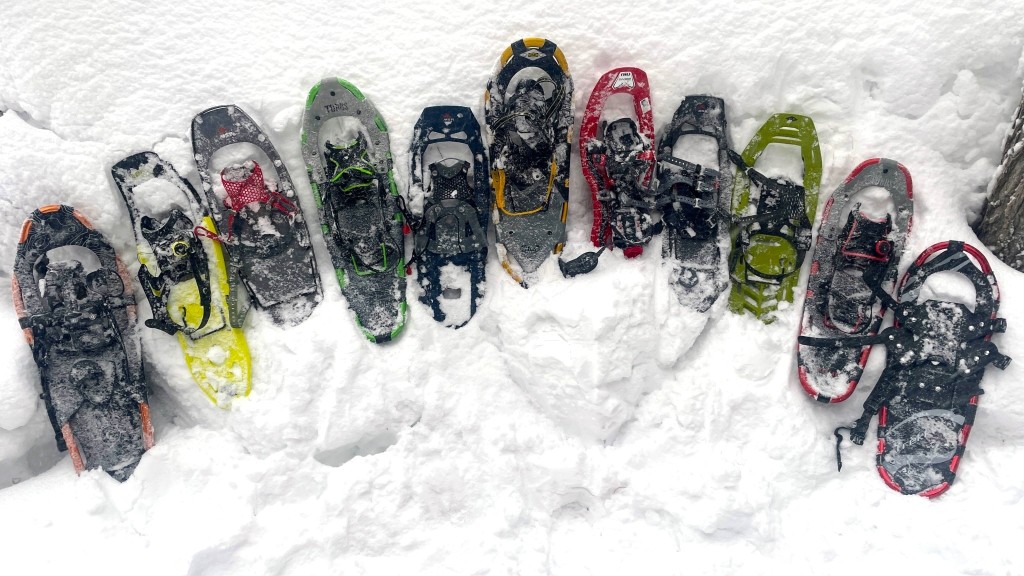
The Art of Snowshoeing: Embracing Winter with Grace
As the winter season blankets the world in a shimmering white, nature enthusiasts and adventurers alike turn to the age-old art of snowshoeing to traverse the snowy landscapes with ease and grace. Snowshoes, with their simple yet effective design, have been a vital tool for humankind for centuries, allowing us to explore and thrive in winter’s icy embrace.
Originally crafted from wood and rawhide by indigenous peoples across the globe, snowshoes have evolved into modern marvels of lightweight materials and ergonomic design. These specialized footwear attachments distribute weight evenly over a larger surface area, preventing the wearer from sinking deep into the snow and making movement across snowy terrain significantly easier.
Whether you’re a seasoned hiker looking to conquer snow-covered trails or a beginner seeking a new winter adventure, snowshoeing offers a unique way to connect with nature in its frosty splendor. The rhythmic crunch of fresh powder beneath your feet, the crisp air filling your lungs, and the stunning vistas of snow-capped landscapes stretching out before you create an experience unlike any other.
One of the greatest joys of snowshoeing is its accessibility. Unlike skiing or snowboarding, which require specialized skills and equipment, snowshoeing can be enjoyed by individuals of all ages and fitness levels. It’s a low-impact activity that provides an excellent cardiovascular workout while immersing you in the tranquility of winter’s beauty.
Whether you’re exploring local trails near home or venturing into remote wilderness areas, proper preparation is key to a safe and enjoyable snowshoeing experience. Dressing in layers to stay warm and dry, carrying essential supplies such as water, snacks, navigation tools, and emergency gear, and being mindful of changing weather conditions are all essential aspects of responsible snowshoeing.
So this winter season, embrace the frosty wonderland around you and step into the world of snowshoeing. Discover the magic of gliding effortlessly across snowy expanses, forging your own path through winter’s icy domain. Let each step be a testament to your connection with nature and your resilience in the face of winter’s chill. With snowshoes on your feet and determination in your heart, there’s no limit to where your winter adventures may take you.
8 Benefits of Snowshoes: Effortless Movement, Safety, and Adventure in Winter Landscapes
- 1. Enables easy and efficient movement across deep snow
- 2. Distributes weight evenly, reducing the risk of sinking or getting stuck
- 3. Provides traction on slippery surfaces, enhancing stability and safety
- 4. Suitable for all ages and fitness levels, making it an inclusive winter activity
- 5. Offers a low-impact workout that engages multiple muscle groups
- 6. Allows access to remote and pristine winter landscapes off the beaten path
- 7. Simple to use with minimal learning curve compared to other winter sports
- 8. Enhances outdoor experiences by immersing you in the tranquility of snowy surroundings
6 Drawbacks of Snowshoes: Challenges from Bulkiness to Cost
- 1. Bulky and can be cumbersome to transport and store.
- 2. Limited maneuverability compared to regular footwear, especially in densely wooded areas.
- 3. May require some time to adjust to walking in snowshoes, leading to potential discomfort or fatigue initially.
- 4. Not ideal for steep or icy terrain where specialized crampons or traction devices may be necessary.
- 5. Depending on the design and quality, snowshoes can be relatively expensive compared to other winter gear.
- 6. In wet or slushy conditions, snowshoes can accumulate snow buildup, adding weight and affecting performance.
1. Enables easy and efficient movement across deep snow
Snowshoes provide a distinct advantage by enabling easy and efficient movement across deep snow. Their design distributes the wearer’s weight over a larger surface area, preventing sinking and allowing for smooth traversal of even the most challenging snowy terrain. This pro of snowshoes not only makes exploring snow-covered landscapes more accessible but also enhances the overall experience of winter adventures, offering a sense of freedom and agility in the face of deep snowdrifts.
2. Distributes weight evenly, reducing the risk of sinking or getting stuck
Snowshoes offer the significant advantage of distributing weight evenly, effectively minimizing the risk of sinking deep into the snow or getting stuck in soft, powdery terrain. By providing a larger surface area to support the wearer’s weight, snowshoes allow for more stable and secure movement across snowy landscapes, ensuring a smoother and more enjoyable outdoor experience. This feature not only enhances safety during winter excursions but also enables individuals to explore diverse terrains with confidence and ease.
3. Provides traction on slippery surfaces, enhancing stability and safety
Snowshoes offer a valuable advantage by providing traction on slippery surfaces, thereby enhancing stability and safety for the wearer. This feature is particularly beneficial when navigating icy or uneven terrain, as the specialized design of snowshoes helps prevent slips and falls, allowing for confident movement in challenging winter conditions. By ensuring a secure grip on slick surfaces, snowshoes enable outdoor enthusiasts to explore snowy landscapes with increased safety and peace of mind.
4. Suitable for all ages and fitness levels, making it an inclusive winter activity
Snowshoeing’s versatility as a winter activity shines through its ability to be enjoyed by individuals of all ages and fitness levels, making it an inclusive and accessible pursuit. Whether you’re a young child experiencing the wonder of snow for the first time or a seasoned adult seeking a new outdoor adventure, snowshoeing offers a welcoming embrace to all who wish to explore winter landscapes with grace and ease. By removing barriers related to physical fitness or age restrictions, snowshoeing opens up a world of snowy wonders for everyone to enjoy, fostering a sense of community and connection with nature that transcends boundaries.
5. Offers a low-impact workout that engages multiple muscle groups
Snowshoeing offers a unique advantage as it provides a low-impact workout that engages multiple muscle groups simultaneously. The act of walking with snowshoes on snow-covered terrain requires increased effort due to the resistance of the snow, effectively working muscles in the legs, core, and even arms. This full-body workout not only helps improve cardiovascular fitness but also strengthens muscles, making it an excellent option for those looking to stay active during the winter months without putting excessive strain on their joints.
6. Allows access to remote and pristine winter landscapes off the beaten path
Snowshoes offer the unique advantage of granting access to remote and pristine winter landscapes that are often inaccessible by traditional means. By enabling adventurers to venture off the beaten path, snowshoes open up a world of untouched beauty and serenity waiting to be explored. From secluded snowy forests to majestic mountain peaks blanketed in white, these versatile tools empower individuals to immerse themselves in the unspoiled wonders of winter, forging their own trails and creating unforgettable experiences in the heart of nature’s icy embrace.
7. Simple to use with minimal learning curve compared to other winter sports
Snowshoes offer the distinct advantage of being simple to use with a minimal learning curve, especially when compared to other winter sports. Unlike activities like skiing or snowboarding that require specialized techniques and skills, snowshoeing is accessible to beginners and seasoned adventurers alike. With just a basic understanding of how to strap on the snowshoes and walk, individuals can quickly grasp the fundamentals and embark on snowy adventures with ease. This user-friendly aspect of snowshoeing makes it an inviting and inclusive winter activity for anyone looking to explore the great outdoors in a new and exciting way.
8. Enhances outdoor experiences by immersing you in the tranquility of snowy surroundings
Snowshoes enhance outdoor experiences by immersing you in the tranquility of snowy surroundings. As you glide effortlessly across snow-covered landscapes, the rhythmic crunch of fresh powder beneath your feet and the serene beauty of snow-capped vistas create a sense of peace and connection with nature that is truly unparalleled. Whether you’re exploring familiar trails or venturing into remote wilderness areas, snowshoeing allows you to escape the hustle and bustle of everyday life and find solace in the quiet majesty of winter’s icy embrace.
1. Bulky and can be cumbersome to transport and store.
One notable downside of snowshoes is their bulkiness, which can make them cumbersome to transport and store. Their larger size compared to regular footwear means they require more space in your vehicle or gear storage area. This can be a challenge, especially for those with limited storage space or when traveling to and from snowy destinations. Despite their effectiveness on snowy terrain, the inconvenience of dealing with bulky snowshoes is a factor to consider when planning winter adventures.
2. Limited maneuverability compared to regular footwear, especially in densely wooded areas.
Snowshoes, while invaluable for traversing snowy terrain, do have limitations that can pose challenges in certain environments. One significant con is their limited maneuverability when compared to regular footwear, particularly in densely wooded areas. The larger surface area of snowshoes can make navigating through tight spaces or dense forests more cumbersome, requiring extra effort and potentially hindering agility. In such scenarios, the trade-off between floatation on snow and maneuverability in confined spaces becomes apparent, highlighting the need for careful consideration of terrain when choosing the appropriate footwear for winter adventures.
3. May require some time to adjust to walking in snowshoes, leading to potential discomfort or fatigue initially.
One drawback of snowshoes is that they may require some time to adjust to walking in them, which can lead to potential discomfort or fatigue initially. The unique design and mechanics of snowshoes may feel unfamiliar to beginners, causing a learning curve in mastering the proper walking technique. However, with practice and patience, most individuals can overcome this initial challenge and reap the benefits of exploring snowy terrain with ease and grace.
4. Not ideal for steep or icy terrain where specialized crampons or traction devices may be necessary.
Snowshoes, while versatile and effective in most snowy conditions, may not be the best choice for navigating steep or icy terrain where additional traction is required. In such challenging environments, specialized crampons or traction devices are essential to ensure stability and safety. Without the proper equipment for these specific conditions, snowshoes may not provide adequate grip or support, potentially leading to slips and falls. It’s important for winter adventurers to assess the terrain and choose the appropriate gear to match the challenges they may encounter, prioritizing safety above all else.
5. Depending on the design and quality, snowshoes can be relatively expensive compared to other winter gear.
Depending on the design and quality, snowshoes can indeed be relatively expensive compared to other winter gear. The specialized construction and materials required to make effective snowshoes can contribute to their higher price point. However, it’s important to consider that investing in a good pair of snowshoes is an investment in your winter adventures and outdoor experiences. While the initial cost may be a deterrent for some, the durability and performance of high-quality snowshoes can provide years of enjoyment and exploration in snowy landscapes, making them a worthwhile addition to any winter adventurer’s gear collection.
6. In wet or slushy conditions, snowshoes can accumulate snow buildup, adding weight and affecting performance.
In wet or slushy conditions, snowshoes can pose a significant challenge as they tend to accumulate snow buildup, leading to increased weight and impacting their overall performance. The added weight from the accumulated snow can make each step more laborious and cumbersome, making it harder for the wearer to maintain a steady pace and navigate through the slippery terrain effectively. This drawback highlights the importance of choosing the right type of snowshoes based on the specific weather conditions and being prepared to manage snow buildup during wet or slushy outings.