
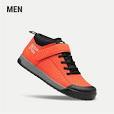
The Ultimate Guide to MTB Shoes
Mountain biking is an exhilarating outdoor activity that requires specialized gear to enhance performance and ensure safety. One crucial piece of equipment for any mountain biker is a good pair of MTB shoes. These shoes are specifically designed to meet the demands of off-road cycling and provide riders with the necessary support, grip, and protection.
Key Features of MTB Shoes:
- Durable Construction: MTB shoes are built to withstand the rigors of mountain biking, with reinforced materials and protective features to endure rough terrain.
- Grippy Outsoles: The outsoles of MTB shoes are designed with lugs or cleats that offer excellent traction on various surfaces, including mud, rocks, and roots.
- Stiff Soles: Stiff soles in MTB shoes provide efficient power transfer from your feet to the pedals, helping you pedal more effectively and improve your overall performance.
- Secure Closures: Most MTB shoes come with secure closure systems such as laces, straps, or BOA dials to ensure a snug and adjustable fit for maximum comfort and control.
- Breathable Design: Proper ventilation is essential during intense rides, so many MTB shoes feature breathable materials to keep your feet cool and dry.
Choosing the Right MTB Shoes:
When selecting MTB shoes, consider factors such as fit, riding style, terrain, and personal preferences. Whether you prefer clipless or flat pedals, there is a wide range of options available to suit your needs.
Caring for Your MTB Shoes:
To prolong the life of your MTB shoes, clean them regularly after rides, allow them to air dry thoroughly, and store them in a cool, dry place. Inspect the shoe components for wear and tear periodically and replace any damaged parts as needed.
Investing in a quality pair of MTB shoes can significantly enhance your mountain biking experience by providing comfort, performance benefits, and protection on challenging trails. Choose wisely based on your riding preferences and enjoy the thrill of conquering new off-road adventures with confidence!
6 Essential Tips for Choosing the Perfect Mountain Biking Shoes
- Choose the right shoe size for a snug fit without being too tight.
- Look for shoes with good ventilation to keep your feet cool during rides.
- Opt for shoes with durable soles that provide good grip on various terrains.
- Consider the closure system that works best for you, such as laces, straps, or boa dials.
- Ensure the shoes offer enough ankle support and protection against impacts and debris.
- Check the compatibility of the shoes with your pedal system for efficient power transfer.
Choose the right shoe size for a snug fit without being too tight.
When selecting MTB shoes, it is crucial to choose the right shoe size to ensure a snug fit without being too tight. A properly fitting shoe will provide comfort and support during your rides, while also allowing for optimal performance on the trails. A snug fit prevents your feet from sliding around inside the shoes, reducing the risk of blisters and discomfort. However, it’s essential to avoid choosing a size that is too tight, as this can restrict blood flow and lead to numbness or pain during long rides. Finding the perfect balance in shoe size will enhance your overall biking experience and allow you to fully enjoy your time on the mountain trails.
Look for shoes with good ventilation to keep your feet cool during rides.
When choosing MTB shoes, it’s essential to look for options with good ventilation to ensure your feet stay cool and comfortable during rides. Proper airflow helps prevent overheating and moisture buildup, enhancing overall comfort and performance on the trails. Opting for shoes designed with breathable materials can make a significant difference in your riding experience by keeping your feet dry and fresh, allowing you to focus on enjoying the exhilarating challenges of mountain biking.
Opt for shoes with durable soles that provide good grip on various terrains.
When selecting mountain biking shoes, it is essential to opt for ones with durable soles that offer excellent grip on a variety of terrains. The quality of the sole plays a crucial role in providing stability and traction while riding on challenging surfaces such as mud, rocks, and roots. By choosing shoes with sturdy and grippy soles, riders can enhance their performance, maintain control, and stay safe during off-road adventures.
Consider the closure system that works best for you, such as laces, straps, or boa dials.
When choosing the perfect pair of MTB shoes, it is essential to consider the closure system that works best for you. Whether you prefer the traditional feel of laces, the convenience of straps, or the precision fit provided by BOA dials, selecting the right closure system can significantly impact your comfort and performance on the trails. Each closure type offers unique advantages, so take the time to find the one that suits your riding style and preferences to ensure a secure and customized fit for your mountain biking adventures.
Ensure the shoes offer enough ankle support and protection against impacts and debris.
When selecting MTB shoes, it is crucial to ensure that they provide adequate ankle support and protection against impacts and debris. Ankle support is essential for maintaining stability and preventing injuries during intense rides on rough terrain. Additionally, protection against impacts and debris helps safeguard your feet from potential hazards encountered while mountain biking, ensuring a safer and more comfortable riding experience overall. Choose MTB shoes that prioritize both ankle support and protective features to ride with confidence and peace of mind.
Check the compatibility of the shoes with your pedal system for efficient power transfer.
When selecting MTB shoes, it is crucial to check the compatibility of the shoes with your pedal system to ensure efficient power transfer. Matching your shoes with the right pedal system can significantly enhance your cycling performance by maximizing the connection between your feet and the pedals. This compatibility ensures that you can pedal more effectively, transfer power efficiently, and ultimately improve your overall riding experience on challenging mountain trails.