
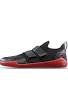
The Importance of Lifting Shoes in Your Fitness Routine
When it comes to weightlifting, having the right gear can make a significant difference in your performance and safety. One often-overlooked piece of equipment that can have a substantial impact is lifting shoes. These specialized shoes are designed to provide stability, support, and proper form during weightlifting exercises.
Benefits of Lifting Shoes
Lifting shoes are typically characterized by a raised heel, a firm sole, and straps or laces for secure foot placement. These features offer several benefits:
- Improved Stability: The elevated heel of lifting shoes helps improve ankle mobility and allows you to maintain proper form during squats, deadlifts, and other compound lifts.
- Enhanced Power Transfer: The solid sole of lifting shoes minimizes energy loss and provides a stable base for generating maximum force during lifts.
- Reduced Risk of Injury: By promoting better alignment and reducing the risk of slipping or rolling an ankle, lifting shoes can help prevent injuries while lifting heavy weights.
Choosing the Right Lifting Shoes
When selecting lifting shoes, consider the following factors:
- Heel Height: Different lifters may prefer varying heel heights based on their mobility and squatting style. A typical heel height ranges from 0.6 inches to 1 inch.
- Sole Firmness: Look for a shoe with a firm sole that provides stability without being too rigid. This balance ensures proper power transfer during lifts.
- Foot Support: Ensure that the shoe offers adequate foot support through straps or laces to keep your feet secure during heavy lifts.
In Conclusion
Lifting shoes are an essential tool for any serious weightlifter looking to optimize their performance and minimize the risk of injury. Investing in a quality pair of lifting shoes tailored to your specific needs can take your training to the next level and help you reach your fitness goals safely and effectively.
Remember, when it comes to weightlifting, every detail matters – including your choice of footwear. So lace up those lifting shoes, hit the gym with confidence, and watch as your strength gains soar to new heights!
Everything You Need to Know About Lifting Shoes: FAQs and Expert Tips
- What are lifting shoes?
- Why are lifting shoes important for weightlifting?
- How do lifting shoes differ from regular athletic shoes?
- What features should I look for in lifting shoes?
- Do I need different types of lifting shoes for various exercises?
- Can women wear lifting shoes designed for men?
- Are there specific brands known for producing high-quality lifting shoes?
- How should I care for and clean my lifting shoes?
What are lifting shoes?
Lifting shoes are specialized footwear designed to enhance performance and safety during weightlifting exercises. These shoes typically feature a raised heel, a firm sole, and secure foot support to provide stability and proper form while lifting heavy weights. The elevated heel helps improve ankle mobility and allows for better alignment during squats and other compound lifts, while the solid sole minimizes energy loss and maximizes power transfer. Lifting shoes play a crucial role in reducing the risk of injury by promoting proper technique and ensuring a stable base for lifting, making them an essential tool for serious weightlifters aiming to optimize their workout routines.
Why are lifting shoes important for weightlifting?
Lifting shoes play a crucial role in weightlifting due to their specialized design that enhances performance and safety during lifts. The elevated heel of lifting shoes aids in maintaining proper form by improving ankle mobility, particularly beneficial for exercises like squats and deadlifts. Additionally, the firm sole of these shoes provides stability and power transfer, allowing lifters to generate maximum force efficiently. By promoting better alignment and reducing the risk of injury, lifting shoes help weightlifters lift heavier weights with confidence while minimizing the chances of accidents or strain. In essence, lifting shoes are essential tools that contribute to improved technique, strength gains, and overall workout effectiveness in weightlifting routines.
How do lifting shoes differ from regular athletic shoes?
Lifting shoes differ from regular athletic shoes in several key ways that cater specifically to the needs of weightlifters. One significant difference is the raised heel found in lifting shoes, which helps improve ankle mobility and allows for a more upright torso position during lifts like squats. Additionally, lifting shoes have a firm sole that provides stability and ensures optimal power transfer when pushing through heavy lifts. Unlike the cushioned soles of regular athletic shoes, lifting shoes offer a solid base that minimizes energy loss and enhances overall performance while reducing the risk of injury by promoting proper alignment and foot support during weightlifting exercises.
What features should I look for in lifting shoes?
When considering lifting shoes, there are several key features to keep in mind to ensure you choose the right pair for your needs. One important feature to look for is the heel height, as different lifters may prefer varying heights based on their mobility and squatting style. Additionally, pay attention to the sole firmness of the shoes, aiming for a balance between stability and flexibility to optimize power transfer during lifts. Lastly, consider the level of foot support provided by the shoes through straps or laces, as this will help keep your feet secure and stable during heavy lifting sessions. By prioritizing these features in your search for lifting shoes, you can enhance your performance and reduce the risk of injury in your weightlifting routine.
Do I need different types of lifting shoes for various exercises?
When it comes to choosing lifting shoes for various exercises, the answer depends on your specific training goals and preferences. While some weightlifters prefer to use the same pair of lifting shoes for all exercises, others opt for specialized shoes tailored to specific movements. For example, traditional weightlifting shoes with a raised heel are ideal for squats and overhead presses, providing stability and ankle mobility. On the other hand, flat-soled shoes may be preferred for deadlifts and other exercises where a solid base is crucial. Ultimately, the decision to use different types of lifting shoes for various exercises is a personal one based on individual comfort, performance needs, and training style.
Can women wear lifting shoes designed for men?
When it comes to lifting shoes, the question of whether women can wear shoes designed for men often arises. While lifting shoes designed for men may be suitable for some women, it’s essential to consider the differences in foot anatomy and sizing between men and women. Women typically have narrower feet and different arch shapes compared to men. Therefore, wearing lifting shoes specifically designed for women can provide a better fit and support tailored to their unique foot structure. It’s recommended that women opt for lifting shoes made for their gender to ensure optimal comfort, stability, and performance during weightlifting sessions.
Are there specific brands known for producing high-quality lifting shoes?
When it comes to high-quality lifting shoes, several brands have established themselves as leaders in the industry. Brands like Nike, Adidas, Reebok, and Inov-8 are well-known for producing top-notch lifting shoes that cater to the specific needs of weightlifters. These brands often incorporate innovative designs, durable materials, and advanced technologies to enhance stability, support, and performance during weightlifting exercises. Whether you’re a seasoned lifter or just starting out, investing in lifting shoes from reputable brands can make a significant difference in your training routine.
How should I care for and clean my lifting shoes?
Proper care and maintenance of your lifting shoes are essential to ensure their longevity and performance. To clean your lifting shoes, start by removing any dirt or debris with a soft brush or cloth. For stubborn stains, use a mild soap solution and gently scrub the affected areas. Avoid submerging the shoes in water or using harsh chemicals that may damage the materials. Allow your lifting shoes to air dry away from direct heat sources to preserve their shape and integrity. Additionally, store them in a cool, dry place when not in use to prevent mold or mildew growth. Regularly inspect the soles and straps for wear and tear, replacing them as needed to maintain optimal support and stability during your weightlifting sessions. By following these simple care tips, you can keep your lifting shoes in top condition for years to come.