
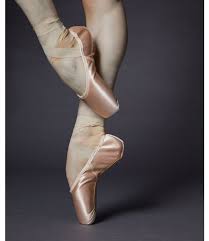
The Elegance and Grace of Pointe Shoes in Ballet
Pointe shoes, with their delicate appearance and sturdy design, are an essential element in the world of ballet. These iconic shoes allow ballerinas to dance on the tips of their toes, creating an illusion of lightness and ethereal beauty on stage.
Originally developed in the 19th century, pointe shoes have evolved over time to meet the demands of modern ballet choreography. Constructed with a reinforced toe box and a shank for support, these shoes enable dancers to execute intricate movements with precision and grace.
One of the most striking features of pointe shoes is their satin exterior, which adds a touch of elegance to a ballerina’s attire. The ribbons that crisscross around the ankle not only serve a functional purpose in securing the shoe to the foot but also enhance the visual appeal of a dancer’s lines and movements.
Training to dance en pointe requires years of dedication and practice. Ballerinas must develop strength in their feet, ankles, and legs to withstand the physical demands of dancing on pointe. The ability to balance, turn, and leap while wearing these specialized shoes is a testament to the skill and artistry of ballet dancers.
Beyond their technical function, pointe shoes symbolize discipline, perseverance, and artistry in the world of ballet. Each pair is carefully fitted to a dancer’s unique foot shape and requirements, reflecting the intimate relationship between performer and footwear.
Whether gracefully gliding across the stage or executing dazzling turns and leaps, ballerinas bring life to their performances through the artful use of pointe shoes. These iconic symbols of ballet continue to captivate audiences worldwide with their beauty, precision, and timeless allure.
The Art and Elegance of Pointe Shoes: Enhancing Ballet’s Beauty and Discipline
- Enable dancers to dance on the tips of their toes, creating a visually stunning effect.
- Provide support and stability for intricate movements and balances in ballet performances.
- Enhance the aesthetic appeal of a ballerina’s lines and movements with their elegant satin exterior.
- Symbolize discipline, perseverance, and artistry in the world of ballet.
- Reflect the intimate relationship between performer and footwear through custom fitting to each dancer’s unique foot shape.
Challenges of Pointe Shoes: Training, Durability, Cost, and Comfort Concerns
- Pointe shoes require extensive training and strength to dance en pointe safely, which can lead to foot and ankle injuries if not done properly.
- The delicate satin exterior of pointe shoes is prone to wear and tear, requiring frequent maintenance and replacement.
- Pointe shoes can be expensive, especially for professional dancers who need multiple pairs for rehearsals and performances.
- Wearing pointe shoes for extended periods of time can be uncomfortable and cause discomfort or pain in the feet, toes, and ankles.
Enable dancers to dance on the tips of their toes, creating a visually stunning effect.
Pointe shoes offer dancers the remarkable ability to dance on the tips of their toes, a feat that creates a visually stunning effect on stage. This unique feature allows ballerinas to defy gravity and appear weightless as they glide across the floor with elegance and grace. The ethereal quality of dancing en pointe captivates audiences, showcasing the artistry and skill of ballet dancers as they bring beauty and magic to life through their movements on stage.
Provide support and stability for intricate movements and balances in ballet performances.
Pointe shoes offer essential support and stability for ballet dancers, enabling them to execute intricate movements and balances with grace and precision during performances. The reinforced toe box and shank of pointe shoes provide the necessary structure to allow dancers to rise onto their toes, creating a visually stunning effect on stage. The stability provided by these specialized shoes not only enhances the technical execution of movements but also instills confidence in dancers as they navigate challenging choreography with poise and elegance.
Enhance the aesthetic appeal of a ballerina’s lines and movements with their elegant satin exterior.
Pointe shoes elevate the aesthetic beauty of a ballerina’s performance by enhancing the graceful lines and movements on stage with their elegant satin exterior. The delicate sheen of the satin material adds a touch of sophistication and allure to the dancer’s feet, accentuating every extension, arabesque, and pirouette with a sense of artistry and refinement. As light catches the satin fabric, it creates a visual spectacle that complements the fluidity and precision of ballet movements, captivating audiences with its ethereal charm and beauty.
Symbolize discipline, perseverance, and artistry in the world of ballet.
Pointe shoes serve as powerful symbols of discipline, perseverance, and artistry within the realm of ballet. The journey to dancing en pointe is a testament to a dancer’s unwavering dedication and commitment to their craft. Through countless hours of training, strengthening, and refining their technique, ballerinas develop the physical and mental fortitude required to dance on the tips of their toes with grace and precision. The artistry displayed in each movement performed in pointe shoes reflects not only technical skill but also a deep understanding of music, storytelling, and expression. In this way, pointe shoes embody the essence of ballet as a blend of athleticism and artistry, inspiring admiration and awe in audiences worldwide.
Reflect the intimate relationship between performer and footwear through custom fitting to each dancer’s unique foot shape.
The custom fitting of pointe shoes to each dancer’s unique foot shape reflects the intimate relationship between performer and footwear in the world of ballet. This personalized approach ensures that dancers not only have the necessary support and comfort but also a sense of connection and trust with their shoes. By tailoring the fit to accommodate individual nuances in foot structure and preferences, dancers are able to move with confidence and grace, allowing them to fully express their artistry while maintaining a strong and symbiotic bond with their most essential tool: their pointe shoes.
Pointe shoes require extensive training and strength to dance en pointe safely, which can lead to foot and ankle injuries if not done properly.
Dancing en pointe in pointe shoes demands rigorous training and considerable strength to execute safely, making it a challenging endeavor for ballet dancers. Without proper technique and conditioning, the physical strain of dancing on the tips of their toes can result in a range of foot and ankle injuries. From stress fractures to tendon strains, the risk of harm looms large for those who venture into the world of pointe work without adequate preparation and guidance. It is crucial for dancers to prioritize their physical well-being and undergo thorough training under the supervision of experienced professionals to mitigate the potential risks associated with dancing en pointe.
The delicate satin exterior of pointe shoes is prone to wear and tear, requiring frequent maintenance and replacement.
The delicate satin exterior of pointe shoes poses a significant challenge as it is prone to wear and tear, necessitating frequent maintenance and replacement. Ballerinas who dance en pointe often find themselves constantly tending to their shoes, repairing scuffs, tears, and fraying ribbons to maintain the pristine appearance necessary for performances. The fragility of the satin material means that even minor mishaps can result in visible damage, adding an additional layer of care and attention to an already demanding art form.
Pointe shoes can be expensive, especially for professional dancers who need multiple pairs for rehearsals and performances.
Pointe shoes can be a significant financial investment, particularly for professional dancers who rely on multiple pairs for rehearsals and performances. The cost of these specialized shoes, which often need to be replaced frequently due to wear and tear, can add up quickly and place a strain on dancers’ budgets. Despite the expense, many dancers understand the importance of having well-fitted and high-quality pointe shoes to support their artistry and performance capabilities. Managing the financial aspect of acquiring and maintaining pointe shoes is an ongoing challenge for dancers striving for excellence in their craft.
Wearing pointe shoes for extended periods of time can be uncomfortable and cause discomfort or pain in the feet, toes, and ankles.
Extended periods of wearing pointe shoes can pose a significant discomfort for ballet dancers, leading to pain and strain in their feet, toes, and ankles. The rigid structure of pointe shoes, designed to support dancers en pointe, can also exert pressure on sensitive areas of the foot, causing discomfort and potential injury. Despite the elegance and grace they bring to performances, the physical toll of prolonged wear underscores the dedication and resilience required of ballet dancers who choose to master the art of dancing en pointe.